
Unlocking the Blueprint of Construction Contracts
Decoding the Language of Construction Agreements
Construction agreements can often seem daunting due to their complex language and detailed clauses. Truly mastering understanding construction contracts requires becoming familiar with the common terms and phrases used within the industry. The language is typically technical, involving legal jargon that provides the framework for the agreement. Clear comprehension of these terms is crucial for ensuring that both parties share the same understanding, thereby reducing the likelihood of disputes. Working with a licensed contractor can significantly help demystify this language, as they bring invaluable insight and experience to the process. By breaking down these agreements into digestible parts, homeowners and contractors can engage on a level playing field, making informed decisions that protect their interests.
The Role of a Licensed Contractor in Contract Interpretation
A licensed contractor plays a pivotal role in the interpretation of construction contracts. Their expertise in the licensed contractor role in contract interpretation can help clarify intricate details that might otherwise be overlooked by the untrained eye. By partnering with a professional, clients not only gain a deeper understanding of the agreement but also benefit from the contractor’s ability to foresee potential issues. This partnership ensures that the technicalities and obligations set out in the contract are understood and adequately managed. Having a licensed contractor involved also fosters a collaborative environment where communication and transparency are paramount.
Understanding the Foundation: Key Contract Clauses
At the core of every construction agreement are the critical clauses that define the project’s path. These key clauses in construction agreements provide the groundwork for everything from payment terms and project timelines to scope of work and dispute resolution. Understanding these clauses is essential to safeguarding both the client’s investment and the contractor’s responsibilities. Each clause outlines specific obligations and expectations, serving as a protective measure for both parties involved. By thoroughly analyzing these elements, individuals can anticipate their obligations and rights, ensuring a more harmonious contractor-client relationship.
Navigating the Legal Landscape
Essential Legal Terminology in Construction Contracts
To effectively navigate the legal landscape of construction contracts, it is vital to familiarize yourself with essential legal terminology. This vocabulary encompasses a wide array of terms specific to the construction industry, including phrases that dictate rights and responsibilities. Understanding legal terminology and compliance in agreements is key to avoiding misunderstandings that could lead to disputes or delays. Clarity in communication ensures that all parties understand their roles and the legal implications of their actions, which is crucial for maintaining compliance with legal standards and regulations.
Contractor Obligations and Client Rights
Within a construction contract, both contractors and clients have specific obligations and rights that must be acknowledged and respected. The contractor’s duties typically revolve around adhering to project guidelines, maintaining schedules, and upholding safety standards. Meanwhile, clients have the right to expect timely, quality delivery of services as agreed upon. Client rights and contractor obligations are the backbone of a fair and balanced agreement, ensuring that both parties can hold each other accountable. It is important for both parties to clearly outline these elements within the contract to prevent future disputes.
Avoiding Pitfalls: Common Contractual Traps
Construction contracts often contain hidden pitfalls that can ensnare the unwary. Recognizing common contractual traps to avoid is essential to safeguarding the interests of both the client and the contractor. These traps may include ambiguous language, undefined scope, or unrealistic timelines that could lead to conflicts. Being proactive in identifying and addressing these potential issues within the contract can prevent costly misunderstandings and support smoother project execution. Partnering with knowledgeable professionals who can offer strategic insights is invaluable in sidestepping these obstacles. For a broader look at budgeting-related pitfalls, see Top 7 Budget Mistakes in South Florida New Construction.
Strategic Negotiation and Management
Mastering Contract Negotiation with a General Contractor
Mastering contract negotiation with a general contractor involves strategic communication and a thorough understanding of project objectives. Entering negotiations effectively requires prioritizing clarity, precision, and mutual benefit. Establishing open dialogue facilitates productive discussions where all parties feel heard and respected. Strategic negotiation tips with a contractor help in securing fair terms, balanced workloads, and realistic timelines. By engaging in collaborative negotiations, clients and contractors can build an environment of trust and transparency, which contributes to the project’s overall success.
Managing Construction Timelines and Project Scope
Effective project management requires managing project scope and timelines with precision and foresight. Defining the scope of work early and in detail is crucial for aligning expectations and delivering satisfactory results. Timelines should be realistic yet ambitious, holding both the contractor and client to high standards of accountability. Regular progress assessments and updates are integral to keeping the project on track, ensuring that any necessary adjustments are made promptly. This level of diligence in managing timelines and scope sets a solid foundation for project success.
Ensuring Compliance and Effective Communication
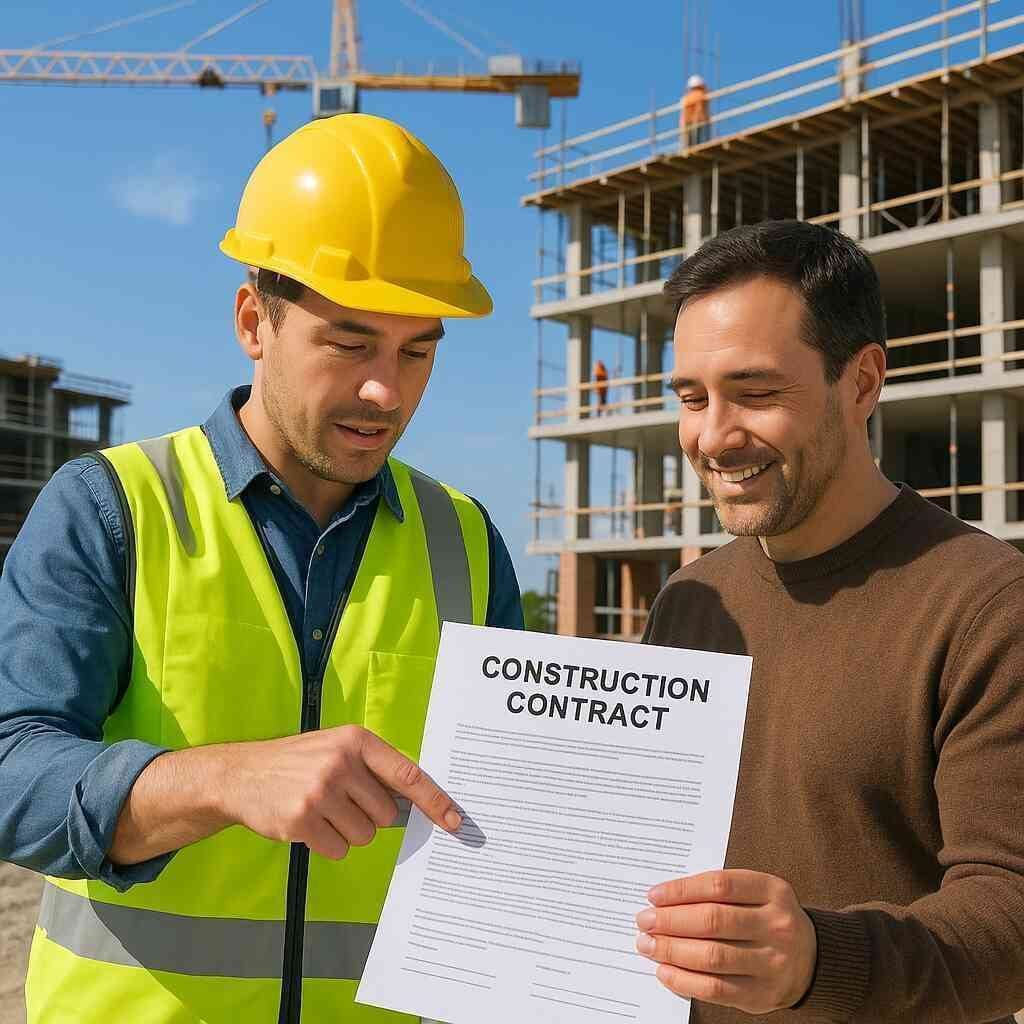
Ensuring compliance with industry regulations and fostering effective contractor-client communication are crucial components of a successful construction project. Compliance involves adhering to all relevant legal and safety standards, thereby minimizing risks and potential liabilities. Clear and consistent communication, on the other hand, serves as the lifeline of any project, facilitating partnerships where both parties are well-informed and involved in decision-making. This alignment reduces misunderstandings and enhances collaborative efforts, propelling the project toward successful completion.
Building a Strong Client-Contractor Relationship
Establishing Clear Payment Terms and Budgeting
Establishing clear contract payment terms is crucial in setting the financial groundwork for any project. Detailed payment terms and accurate budgeting prevent financial discrepancies and ensure that both parties understand their financial commitments. It is essential to outline when and how payments will be made, including any conditions tied to payment phases. Transparency in budgeting allows for better financial planning and reduces the risk of misunderstandings later on. Clear financial communication contributes to a trusting, partnership-oriented environment between the client and contractor. For additional context on managing construction costs in South Florida, reviewing What Are the True Costs of New Construction in Palm Beach County can be a helpful resource.
Handling Dispute Resolution and Amendments
In the dynamic world of construction, disputes and the need for contract amendments can arise unexpectedly. Having a well-defined approach to dispute resolution strategies in construction is essential for mitigating conflicts. Effective dispute resolution focuses on problem-solving and consensus, usually involving defined steps for mediation or arbitration before resorting to litigation. When amendments are necessary, they should be documented in writing and mutually agreed upon to prevent future conflicts. Handling these issues professionally ensures the stability and continued progress of the construction project.
Fostering Long-Term Partnerships in Construction Projects
A successful construction project often lays the foundation for a long-term partnership between the client and contractor. Building relationships in construction projects involves mutual respect, trust, and a commitment to ongoing collaboration. By fostering an environment of open communication and shared goals, both parties can cultivate a partnership built on a solid track record of successful projects. This long-term alliance not only benefits future projects but also enhances the reputation and credibility of both parties in the construction industry. Clients who have experienced this firsthand speak to the difference it makes:
“I would strongly recommend Renova Construction Contractors for your renovation project. I had a major renovation ongoing in my house and was completely stress free thankfully to the Renova team. This is a very professional company, honest and always looking to keep your construction within the budget. Finishing is of best quality and deadlines were accomplished as planned. I have decided to have the renovations in my house done in a two step project. I have no doubts about hiring Renova again for the second phase in a few months. Thanks a lot for your great work!”- Veejay, a 5 star review from RENOVA on Google Business Reviews
Constructing Success Through Informed Agreements
The Future of Construction Contracts in South Florida
Looking ahead, the landscape of construction contracts in South Florida is set for transformation. With evolving technologies, regulatory changes, and increasing client demands for sustainable and innovative solutions, staying informed is more critical than ever. The future holds promise for more adaptive and client-centered contract models aimed at enhancing both efficiency and satisfaction. Embracing these changes allows industry professionals and clients alike to operate in this dynamic environment with greater confidence.
Empowering Clients with Knowledge and Confidence
Empowering clients through knowledge and confidence is central to navigating the complexities of construction agreements. By providing the tools and insights necessary to understand and negotiate contracts, clients gain greater assurance in their project decisions. Through partnerships with experienced professionals like RENOVA, clients can embark on construction projects equipped with the information they need to succeed. This not only enhances current project outcomes but also solidifies a foundation for future endeavors, fostering a culture of knowledge-driven decisions and mutual respect.
Frequently Asked Questions
Question: How can a licensed contractor help with construction contract interpretation?
Answer: A licensed contractor plays a crucial role in construction contract interpretation by providing expertise and insight into complex contractual terms and clauses. At Renova, we understand that construction agreements can be daunting, with technical legal jargon that may not be immediately comprehensible to everyone. Our experienced contractors can demystify these terms for you, ensuring both parties share a mutual understanding. This helps prevent potential disputes and ensures a smooth progression of your project. Engaging with Renova means partnering with professionals who prioritize clarity and transparency so that you can make well-informed decisions that protect your interests.
Question: What are some common contractual traps in construction agreements, and how can Renova help avoid them?
Answer: Common contractual traps in construction agreements include ambiguous language, undefined scopes of work, and unrealistic timelines. These pitfalls can lead to costly misunderstandings and project delays. Renova is skilled in recognizing and addressing such issues proactively. Our team provides strategic insights to navigate these challenges, ensuring that all terms are clear and realistic. By choosing Renova, clients can rest assured that they are entering a contract that safeguards their interests and promotes a successful project outcome.
Question: How does Renova ensure compliance and effective communication in construction projects?
Answer: Ensuring compliance and fostering effective communication are central to Renova’s project management philosophy. We adhere strictly to industry regulations and legal standards, minimizing risks and liabilities associated with construction projects. Our approach emphasizes clear and consistent communication, keeping clients well-informed and engaged in the decision-making process. This proactive communication strategy reduces misunderstandings and enhances collaborative efforts, ensuring that construction projects proceed smoothly and achieve successful completion.
Question: How can Renova assist in understanding key clauses in a construction contract?
Answer: Renova excels in helping clients understand the key clauses in a construction contract, such as payment terms, project timelines, scope of work, and dispute resolution mechanisms. Our team breaks down these terms into comprehensible segments, ensuring that clients fully grasp their implications and obligations. By providing a comprehensive analysis of these elements, we empower clients to protect their investments and secure a fair and balanced agreement. Trust Renova to guide you through the complexities of construction agreements with expertise and dedication.
Question: Why should clients trust Renova for handling contract negotiations?
Answer: Clients should trust Renova for handling contract negotiations because we prioritize strategic communication, clarity, and mutual benefit. Our experienced team engages in open dialogues to ensure productive discussions where all parties feel heard and respected. By employing strategic negotiation practices with our contractors, clients secure fair terms, balanced workloads, and realistic timelines. Choosing Renova means partnering with a team that values trust and transparency, leading to successful projects and long-term client relationships.