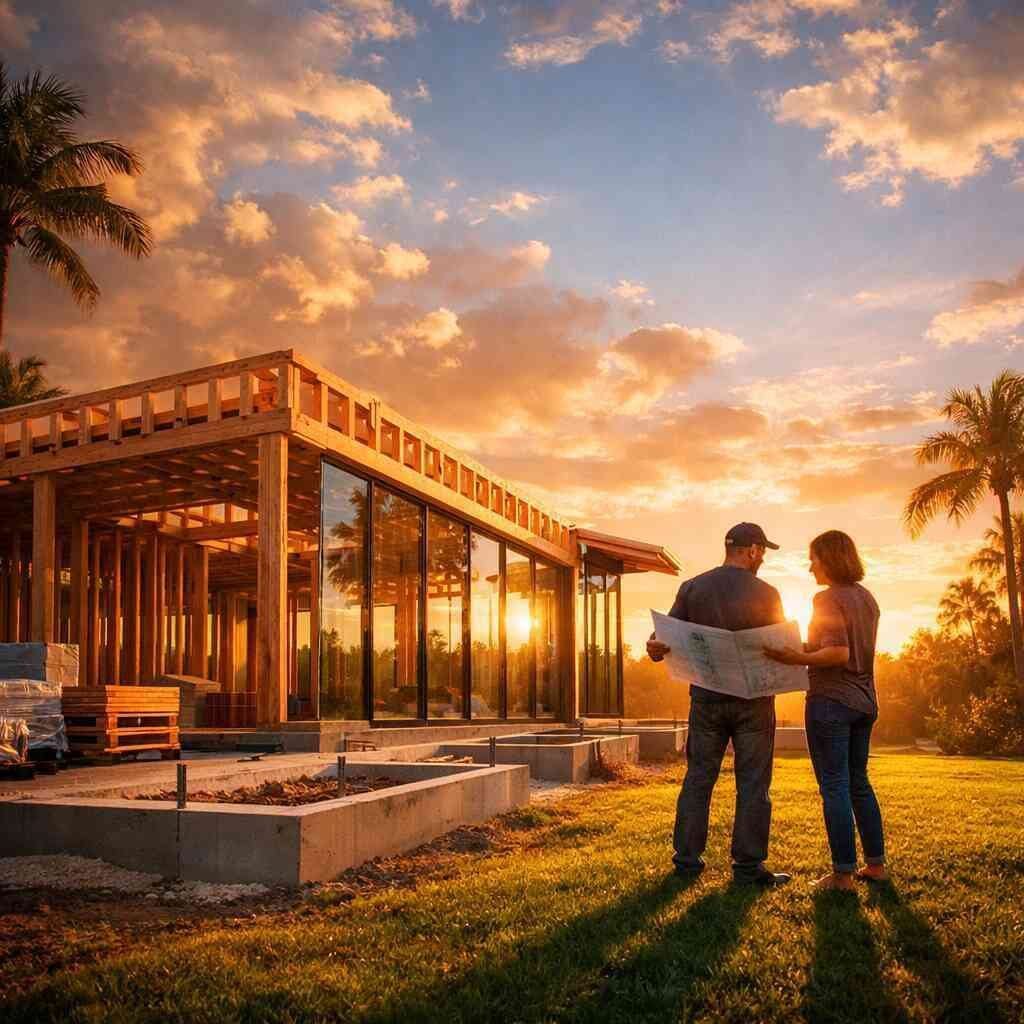
Embarking on a construction project in Delray Beach is an exciting venture, yet the journey from concept to completion is paved with regulatory requirements. Navigating the local building permit landscape is arguably the most critical phase, demanding precision, patience, and expert knowledge. This comprehensive guide demystifies the entire process, providing the clarity and confidence needed to move forward. Understanding these protocols is not merely about compliance; it protects your investment and ensures your project’s long-term success and safety. As your trusted local partner, RENOVA illuminates the path, transforming bureaucratic complexity into a streamlined, manageable experience.
Navigating the Delray Beach Building Permit Landscape
Successfully securing building permits in Delray Beach requires a foundational understanding of the local regulatory environment. This landscape is a multifaceted ecosystem where various departments, codes, and ordinances intersect to govern all construction activity. Missteps at this initial stage can lead to significant delays, costly revisions, and legal complications that jeopardize your entire project. A strategic approach begins with thorough research and due diligence into the specific rules that apply to your property and project scope. Mastering this landscape lays the groundwork for a smooth, efficient, and compliant construction journey from the very first step.
Understanding the Delray Beach Building Department Ecosystem
The Delray Beach Building Department serves as the central authority for all construction permitting and enforcement within city limits. This department is your primary point of contact, responsible for reviewing applications, conducting inspections, and issuing the final certificate of occupancy. However, it does not operate in a vacuum; it coordinates closely with other vital divisions such as Planning and Zoning, Engineering, and the Fire Department. Each entity plays a distinct role in evaluating different aspects of your submission, from land use to public safety. Navigating this interconnected ecosystem efficiently demands an understanding of each agency’s requirements and timelines. Partnering with a seasoned general contractor who has established relationships within this system can be invaluable for seamless navigation.
“The owners of RENOVA , David and Brian are incredible to work with and just great guys in general. I live in NY and purchased a condo in Delray Beach. I contacted RENOVA even before I closed. They are both very knowledgeable and answered all of my questions. I did the entire renovation from New York. They were at the condo the day after closing and gave me a detailed written quote. Their GC Andy and PM Curtis applied for all the required permits and supplied my HOA with their license and insurance information. They use 95 percent of their in house crew to do the work and only used subcontractors for the HVAC, electrical and plumbing which I really liked. I thought because I was doing the entire renovation from NY it would be more difficult, I was wrong. RENOVA made it so easy. They kept me updated with all permits and inspections, and daily photos of the work that had been done. They had a great eye for design and were incredibly thorough. When the work was completed, they even had a cleaning company come in and left the place spotless. I highly recommend RENOVA for any remodeling or renovation project !!!” – Conner S., a 5 star review from RENOVA on Google Business Reviews
The Critical Role of Local Zoning Regulations in Your Project
Before a single building plan is drawn, you must first reconcile your vision with the city’s local zoning regulations. Zoning laws dictate what you can build, where you can build it, and how the structure can be used on your specific parcel of land. These regulations cover critical elements like property setbacks, maximum building height, lot coverage ratios, and allowable uses, whether residential or commercial. A proposed home addition or new structure that violates these rules will not receive approval, regardless of how well the architectural plans are crafted. Conducting thorough permit research and due diligence on your property’s zoning designation is a non-negotiable first step. This proactive measure prevents costly redesigns and ensures your project aligns with the community’s long-term development plan from the outset.
Residential vs. Commercial Building Permits: Key Distinctions
The permitting path diverges significantly based on your project’s nature, with distinct processes for residential and commercial building permits. Residential projects, including custom homes, kitchen renovations, and bathroom renovations, are governed by the Florida Residential Building Code and focus on single-family or multi-family dwelling safety and standards. Conversely, commercial projects involve stricter life-safety, accessibility, and energy code requirements under the Florida Building Code, with additional scrutiny from the Fire Marshal. The application complexity, required professional seals, and inspection protocols differ greatly between these two categories. Understanding these key distinctions is essential for preparing the correct documentation and setting realistic expectations for your construction project timeline. Whether you need a Delray Beach custom home or a retail build-out, knowing the rulebook is half the battle.
The Blueprint for Seamless Permit Acquisition
With a firm grasp of the regulatory landscape, the next phase involves executing a detailed blueprint for seamless permit acquisition. This process is methodical and demands meticulous attention to detail at every turn. A haphazard or incomplete application is the most common cause of frustrating delays, often resulting in a months-long back-and-forth with plan reviewers. The goal is to submit a package so comprehensive and compliant that it moves through the system with minimal requests for additional information. Achieving this requires mastery of document preparation, code comprehension, and financial planning for all associated costs. Following a proven, step-by-step strategy transforms permit acquisition from a daunting hurdle into a predictable milestone.
Deconstructing the Permit Application Process Step by Step
The permit application process in Palm Beach County is a multi-stage journey that begins long before forms are submitted. Initially, you must confirm your project’s viability through zoning verification and a preliminary review of potential hurdles. The formal application stage involves submitting completed forms, proof of ownership, detailed construction documents, and paying initial fees. Subsequently, your package undergoes a rigorous review by multiple departments, each checking for compliance with their specific area of authority. After addressing any reviewer comments, you receive approval and can pay the remaining balance to pull the permit. Finally, the actual construction begins, followed by the scheduled permit inspection process. Each step has its own dependencies and potential pitfalls, making a systematic approach absolutely critical for success.
Construction Document Preparation and Site Plan Review Mastery
The heart of your permit application lies in the quality of your construction document preparation. These are not mere sketches but legally binding technical drawings that include architectural, structural, electrical, plumbing, and mechanical plans. Each set must be stamped by a licensed Florida professional, such as an architect or engineer, certifying compliance with all applicable codes. Concurrently, the site plan review evaluates how your project interacts with the land, addressing drainage, utility connections, landscaping, and adherence to setback requirements. Incomplete or inaccurate documents are the primary reason applications are deferred, leading to lengthy delays. Mastery of this phase means anticipating reviewer questions and providing clear, code-compliant answers within the plans themselves. This level of detail demonstrates professionalism and significantly expedites the permit approval timeline.
Florida Building Codes and Coastal Construction Regulations Decoded
All construction in Delray Beach must adhere to the Florida Building Codes for coastal construction, a robust set of standards designed for safety and resilience. These codes are updated regularly to incorporate lessons from past storms, focusing on wind resistance, structural integrity, and flood mitigation. For coastal communities, additional coastal construction regulations mandate specific design pressures, materials, and construction techniques to withstand hurricane-force winds and storm surge. Navigating this complex web of requirements requires current, specialized knowledge that goes beyond generic construction experience. Furthermore, South Florida construction rules often include more stringent energy efficiency and water conservation standards. Decoding these regulations is essential not just for building code compliance but for ensuring the longevity and safety of your investment in our unique environment.
Demystifying Impact Fees and Total Permit Costs
A realistic project budget must accurately account for all permit fees and impact fees. Permit costs are typically calculated based on your project’s valuation, covering the city’s expense for plan review and inspections. However, the more substantial financial consideration often comes from impact fees, which are one-time charges levied on new development to fund the increased demand on public infrastructure like roads, schools, and parks. These fees can add a significant amount to your total project cost and are due at the time of permit issuance. Other potential costs include utility connection fees, tree removal permits, and right-of-way permits. Demystifying these expenses upfront prevents unwelcome surprises and allows for accurate financial planning. A detailed breakdown of all anticipated costs is a cornerstone of responsible construction management.

The Permit Approval Timeline: Realistic Project Scheduling
One of the most common questions from homeowners and developers concerns the permit approval timeline. While every project is unique, a realistic schedule for a straightforward residential renovation might see approval in several weeks, whereas a complex custom home or commercial project can take several months. This timeline encompasses the initial application intake, the multi-department review cycle, the revision period, and the final issuance. Factors that influence duration include the completeness of your submission, the current workload at the Delray Beach Building Department, and whether your project triggers additional reviews from the Environmental Advisory Board or Historic Preservation Board. Incorporating this timeline into your overall construction project timeline is vital for setting accurate start dates and managing expectations. Strategic planning and expert guidance are the best tools for navigating this waiting period efficiently.
Strategic Permit Management for Flawless Execution
Securing the permit is a major victory, but it is not the finish line; it is the starting gun for the construction phase. Strategic permit management now becomes the critical discipline that ensures your project is built exactly as approved and passes all necessary inspections. This phase involves meticulous coordination between the project schedule, subcontractors, and the building department’s inspection team. Poor management here can lead to failed inspections, rework, and costly permit violations that halt progress. Flawless execution requires a proactive, detail-oriented approach that treats the permit documents as the project’s governing blueprint. From the first footing inspection to the final sign-off, every action must align with the approved plans and the applicable codes.
Leveraging Licensed Contractor Benefits for Code Compliance
The benefits of hiring a licensed contractor for code compliance are immense and directly impact the success of your project. A licensed general contractor brings a deep, working knowledge of the Florida Building Code and local amendments, ensuring that construction methods and materials meet or exceed all standards. They are responsible for pulling the permit, scheduling all required inspections, and serving as the point of authority on the jobsite. This expertise is your strongest shield against inadvertent code violations that could require expensive corrective work. Furthermore, licensed contractors carry insurance and bonds that protect you from liability. Leveraging this professional expertise transforms code compliance from a worrying obligation into a seamlessly integrated part of the building process, providing peace of mind and safeguarding your investment.
The Permit Inspection Process: From Groundbreaking to Certificate of Occupancy
The permit inspection process is the building department’s mechanism for verifying that construction matches the approved plans. This sequence begins with a footing inspection before concrete is poured and continues through rough-in stages for framing, electrical, plumbing, and HVAC. Each trade must pass its inspection before walls are closed up. Later, final inspections for each system occur, culminating in a comprehensive final building inspection. Successfully passing all these checkpoints leads to the issuance of the Certificate of Occupancy (C of O), the legal document that declares the structure safe for habitation or use. Failing an inspection means work must stop until the issue is corrected and re-inspected, causing delays. Understanding and preparing for each inspection milestone is crucial for maintaining project momentum.
Avoiding Costly Permit Violations and Navigating Historic District Approvals
Vigilance is key to avoiding permit violations, which can result in stop-work orders, fines, and mandatory demolition of non-compliant work. Common violations include deviating from approved plans, performing work without a permit, or failing to call for required inspections. The best prevention is a culture of compliance, reinforced by clear communication with your construction team and regular audits of the work in progress. For properties within designated areas, navigating historic district approvals adds another layer of complexity. The Delray Beach Historic Preservation Board reviews exterior modifications for appropriateness, focusing on materials, architectural style, and preservation of historic character. This process requires specialized applications, presentations, and a nuanced understanding of preservation guidelines, making early engagement with the board essential.
Flood Zone Permitting and South Florida Construction Rule Adaptations
Given our coastal location, flood zone permitting is a standard and critical requirement for many Delray Beach projects. Properties in Special Flood Hazard Areas must comply with strict elevation requirements, often necessitating raised foundations or flood-proofing measures for lower levels. The permitting process for these areas involves submitting an Elevation Certificate and ensuring all design elements meet FEMA and local floodplain management regulations. These South Florida construction rule adaptations are non-negotiable for securing insurance and protecting property value. They require specific engineering and construction expertise to execute properly. Proactively addressing these requirements during the design phase prevents catastrophic issues later and ensures your home or business is resilient against future flood events.
Why Construction Management is Your Ultimate Permit Expediting Service
When evaluating construction management for permit expediting, it becomes clear that this service is about far more than just speed. A dedicated construction manager acts as your project’s conductor, orchestrating every detail from pre-construction permitting through final closeout. They manage the complex permit application, shepherd documents through review, coordinate with all subconsultants, and maintain the inspection schedule. This holistic oversight ensures that potential compliance issues are identified and resolved before they become costly problems in the field. Ultimately, this integrated approach is your ultimate permit expediting service, as it minimizes bureaucratic delays and keeps your project moving forward efficiently. The value lies in reducing risk, managing timelines, and delivering the certainty that your project will cross the finish line successfully, on budget and to the highest standards.
Frequently Asked Questions
Question: As a homeowner in Delray Beach planning a kitchen renovation, what is the first step I should take regarding permits, and why is working with a licensed general contractor like RENOVA crucial for building code compliance?
Answer: The very first step is conducting thorough permit research and due diligence, specifically checking your property’s local zoning regulations in Delray Beach. This confirms your project is allowable before you invest in designs. For your kitchen renovation, navigating the permit application process in Palm Beach County involves detailed construction document preparation and adherence to Florida Building Codes. This is where partnering with a licensed general contractor like RENOVA becomes indispensable. Our team’s deep expertise in South Florida construction rules ensures seamless permit acquisition by preparing and submitting a complete, code-compliant package on your behalf. We manage all interactions with the Delray Beach Building Department, leveraging our established relationships to streamline reviews. The benefits of a licensed contractor for code compliance we provide are your best defense against costly errors, failed inspections, and delays, turning a complex bureaucratic process into a smooth, managed experience.
Question: How long does the permit approval timeline typically take for a custom home project in Delray Beach, and how can RENOVA’s construction management services help avoid costly delays?
Answer: For a Delray Beach custom home, the permit approval timeline can vary from several months to longer, depending on the project’s complexity, the completeness of submissions, and current department workloads. The process involves rigorous site plan review and multi-department checks for coastal construction regulations and flood zone permitting. This uncertainty is precisely why RENOVA’s construction management is your ultimate permit expediting service. Our dedicated construction managers orchestrate every detail, from initial document preparation to coordinating with engineers and architects, ensuring your application is flawless from the start. We proactively navigate local bureaucracy, anticipate reviewer questions, and manage the revision cycle efficiently. This strategic oversight is integrated into your overall construction project timeline, providing realistic scheduling and significantly reducing the risk of costly permit violations that can halt progress. We turn a potentially lengthy wait into a predictable, managed phase of your build.
Question: What are the key distinctions between residential and commercial building permits in South Florida, and how does RENOVA handle these different processes?
Answer: The key distinctions are substantial. Residential construction permits, for projects like home additions or bathroom renovations, follow the Florida Residential Building Code. Commercial building permits are governed by the stricter Florida Building Code, with enhanced focus on life-safety, accessibility, and energy standards, plus mandatory Fire Marshal reviews. The application complexity, required professional seals, and inspection protocols differ greatly. As a full-service construction company experienced in both residential and commercial projects across Palm Beach County, RENOVA expertly navigates these separate paths. For residential work, like Delray Beach remodeling, we ensure your dream project meets all single-family dwelling standards. For commercial ventures, our team manages the more intensive documentation, specialized engineering stamps, and coordinated inspections. You can learn more about our approach in our blog post, Top 7 Commercial Remodeling Mistakes Contractors Make in 2026. Our deep understanding of both worlds ensures building code compliance from day one, whether you’re building a custom home or a retail space.
Question: Can you explain the permit inspection process and what happens if I fail an inspection? How does the RENOVA 2026 Guide to Delray Beach Building Permits help prepare homeowners for this?
Answer: The permit inspection process is a multi-stage verification that construction matches approved plans, starting with footing inspections and progressing through rough-in and final checks for each trade (electrical, plumbing, etc.). Successful completion leads to the vital Certificate of Occupancy. Failing an inspection results in a stop-work order until the issue is corrected and re-inspected, causing significant project delays and potential extra costs. The RENOVA Guide to Delray Beach New Construction Permits 2026 demystifies this entire sequence, emphasizing the importance of strategic permit management. In practice, our licensed general contractors and construction managers are your frontline defense. We schedule all inspections, ensure the site and work are ready for each one, and accompany the inspector to address any questions immediately. Our proactive approach and code expertise are designed to achieve first-pass approval every time, keeping your construction project timeline on track and moving you efficiently from groundbreaking to certificate of occupancy.
Question: My property is in a flood zone and a historic district in Delray Beach. What special permitting challenges does this present, and why should I trust RENOVA with such a complex project?
Answer: This scenario combines two of the most specialized permitting challenges: flood zone permitting in coastal Florida and navigating historic district approvals. Flood zone requirements mandate specific elevation certificates and construction techniques for resilience, while the Historic Preservation Board reviews exterior modifications for architectural appropriateness. This dual layer requires meticulous construction document preparation that satisfies both FEMA regulations and preservation guidelines. RENOVA is uniquely equipped for this complexity. Our extensive experience with South Florida construction rules and coastal construction regulations means we engineer solutions that meet stringent safety codes. For more on building for our climate, see our guide on Best Construction Materials for Coastal Homes in Delray Beach 2026. Simultaneously, we have the nuanced understanding needed to present projects to the Historic Preservation Board, guiding you through the approval process. As your dedicated construction manager, we integrate these requirements from the design phase, avoiding costly permit violations and ensuring a seamless permit acquisition. Trusting RENOVA means having a single, expert team capable of managing all these intricacies to protect your investment and preserve your property’s character.