Navigating the New Frontier of Coastal Construction
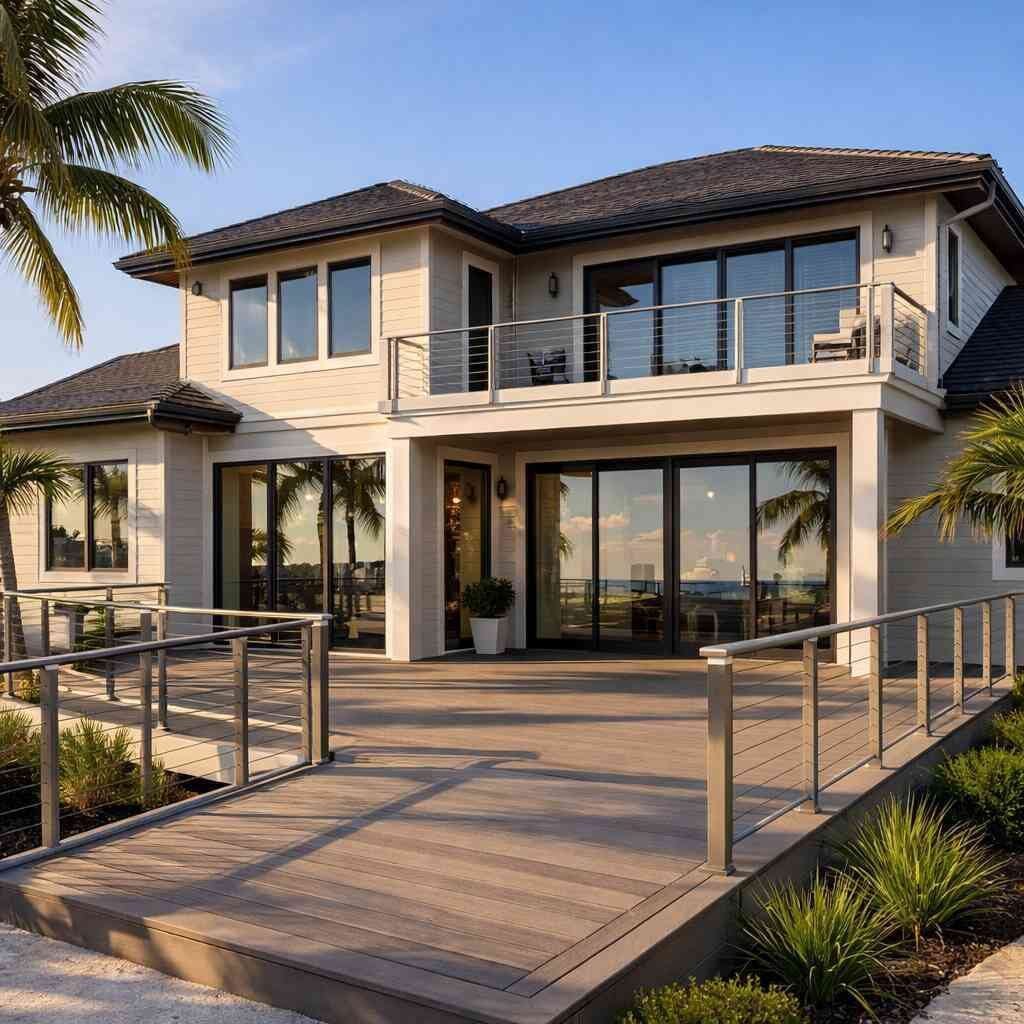
Building along South Florida’s stunning coastline is a privilege that comes with profound responsibility. The region’s beauty is matched only by its formidable environmental challenges, from relentless salt air to seasonal hurricane forces. Consequently, constructing a home here demands more than standard practices; it requires a forward-thinking philosophy rooted in resilience and innovation. Today’s most successful projects view stringent codes not as obstacles but as the foundational blueprint for longevity and safety. This approach ensures your property stands as a sanctuary for generations, seamlessly blending luxury with unwavering durability against the elements. For homeowners and developers, understanding this new frontier is the critical first step toward a successful and enduring build.
The Evolving Landscape of South Florida Building Codes
South Florida’s building codes are not static documents but living standards that evolve in response to lessons learned from past storms and advancing material science. Recent updates place unprecedented emphasis on continuous load paths, enhanced wind-borne debris protection, and specific flood mitigation strategies. These regulations mandate a holistic view of structural integrity, where every component from the roof to the foundation must work in concert to resist extreme forces. Furthermore, coastal construction codes now often incorporate requirements for corrosion-resistant fasteners and improved drainage systems to combat persistent moisture. Navigating this complex regulatory environment is a task best entrusted to a seasoned general contractor with deep local expertise. Ultimately, these evolving standards are your first and most crucial line of defense, shaping the very skeleton of your coastal sanctuary.
Why Material Innovation is Non-Negotiable for Coastal Properties
In the battle against salt, sun, and storm, conventional building materials simply will not suffice. Material innovation is the non-negotiable differentiator between a vulnerable structure and a fortified asset designed for the long term. Advanced formulations in concrete, composites, and protective coatings are engineered specifically to defy the corrosive effects of salt air and the punishing intensity of UV radiation. These high-performance products offer superior durability without compromising aesthetic appeal, allowing for beautiful homes that are also incredibly resilient. Selecting the right hurricane-resistant building products for coastal homes is an investment in peace of mind, significantly reducing maintenance costs and potential damage over the lifespan of the property. Therefore, embracing these innovations is not an added luxury but a fundamental requirement for responsible ownership and construction in this unique environment.
From Delray Beach to West Palm Beach: A Unified Approach to Durability
While each community from Delray Beach to West Palm Beach has its unique character, the environmental pressures they face are united. A unified approach to durability means applying the same rigorous standards of material selection and construction techniques across Palm Beach County. This consistency ensures that whether you are building a custom home in Delray Beach or a commercial renovation in Boca Raton, the core principles of resilience remain unchanged. It involves specifying impact-resistant windows for coastal properties in Highland Beach with the same diligence as selecting flood-resistant construction materials in Palm Beach County for a Boynton Beach renovation. This philosophy of uniform excellence guarantees that every structure is prepared to withstand the region’s shared challenges. Adopting this comprehensive mindset is what separates exceptional builds from merely adequate ones, creating a legacy of quality and safety.
The 2026 Arsenal for Fortified Coastal Architecture
The modern coastal construction arsenal is a sophisticated collection of materials and systems engineered for maximum performance. This goes far beyond basic code compliance, delving into the realm of proactive protection and sustainable durability. Today’s best products are designed to work synergistically, creating a cohesive defensive barrier against multiple environmental threats simultaneously. From the substructure to the rooftop, each element is selected for its ability to resist specific forces like wind uplift, water intrusion, and chemical corrosion. This integrated approach results in homes that are not only safer and longer-lasting but also more energy-efficient and comfortable to live in. Assembling this arsenal requires expert knowledge of both product capabilities and proper installation techniques for true resilience.
Structural Integrity and Foundation Materials: Defying Salt and Surge
The journey to a resilient coastal home begins below grade, with foundation materials that defy salt and surge. Innovations in concrete technology, including the use of supplementary cementitious materials and corrosion-inhibiting admixtures, have dramatically improved the longevity of concrete in aggressive marine environments. For elevated homes, pilings made from specially treated wood or composite materials offer exceptional resistance to both moisture and insect infestation. Additionally, advanced drainage systems and properly designed flood vents are integral to managing hydrostatic pressure and preventing structural damage during flood events. These critical components form the unshakable base upon which everything else is built, making their selection and installation paramount. A failure at this foundational level can compromise the entire structure, underscoring the need for expert specification and execution.
Building Envelope Mastery: Advanced Windows, Doors, and Siding
The building envelope is your home’s primary shield, and mastering its components is essential for creating a weather-tight barrier. Modern impact-resistant windows for coastal properties are marvels of engineering, featuring laminated glass and robust frames that can withstand significant projectile forces and pressure differentials. Similarly, impact-resistant doors for hurricane zones are constructed with reinforced cores and multi-point locking systems to prevent breach. For siding, options like fiber-cement, engineered wood composites, and certain metal claddings provide excellent durability against salt air and high winds while resisting rot and insect damage. The integration of advanced flashing systems at all penetrations and transitions is equally crucial to prevent water intrusion. Together, these elements create a continuous, high-performance shell that protects the interior from the harsh exterior climate.
Roofing Systems Engineered for High Wind and Hurricane Forces
The roof is arguably the most vulnerable component during a storm, making the choice of a fortified roofing system critical. Modern systems are designed as an interconnected assembly, featuring high-wind rated asphalt shingles or metal panels, coupled with enhanced underlayments and meticulously sealed roof-to-wall connections. The use of corrosion-fastener systems, such as stainless steel or specially coated nails, prevents rust and ensures the roofing material remains securely attached. Additionally, integrated secondary water barriers beneath the primary roofing provide an extra layer of protection if the outer layer is compromised. Proper attic ventilation is also a key part of the system, helping to manage moisture and reduce wind uplift pressures. A well-engineered roof is a complex but vital investment in the overall structural integrity and dryness of your home.
Moisture Defense Systems: From Insulation to Mold-Resistant Interiors
Humidity and driving rain make moisture management a constant concern in coastal architecture. An effective defense starts with moisture-resistant insulation for humid climates, such as closed-cell spray foam, which creates both a thermal and a moisture barrier. Behind the walls, the use of mold-resistant drywall, especially in bathrooms and other wet areas, inhibits the growth of mold and mildew on the interior surface. Comprehensive moisture-barrier systems, including properly installed house wraps and fluid-applied membranes, are essential to prevent bulk water intrusion while allowing water vapor to escape. Within the home, choosing resilient flooring for humidity, like luxury vinyl plank or ceramic tile, prevents warping and damage. This multi-layered approach to moisture control safeguards both the structure of the home and the health of its occupants.
Exterior Finishes and Coatings That Withstand Salt Air and UV Assault
The final aesthetic layer of your home must also be its first line of chemical defense. High-performance exterior finishes for salt air are formulated with advanced resins and pigments that resist chalking, fading, and peeling under intense UV exposure. Elastomeric coatings, for instance, can bridge small cracks and provide a seamless, waterproof membrane over stucco or concrete block. For trim and accents, cellular PVC or aluminum products offer the look of wood without any of the susceptibility to rot or insect damage. Furthermore, all exterior hardware, from nails and screws to hinges and locks, should be made from stainless steel or other corrosion-resistant alloys. Applying these long-lasting exterior paints and durable materials ensures your home remains beautiful and protected for years with minimal maintenance.
Implementing Resilience in Your South Florida Construction Project
Understanding the available materials is only half the battle; the true test lies in their expert integration into a cohesive, high-performing structure. Implementation requires a meticulous plan, skilled craftsmanship, and rigorous oversight to ensure every innovative product performs as intended. This phase transforms theoretical resilience into tangible, lived-in security for you and your family. It involves making strategic choices that balance upfront investment with long-term value, aesthetic desires with performance requirements, and sustainable goals with durability needs. A successful project is one where resilience is not an added feature but an inherent quality woven into every decision, from the initial blueprint to the final finishing touch. This holistic execution is what future-proofs your investment against an uncertain climate.
Integrating Sustainable and High-Performance Materials for Luxury Coastal Homes
Luxury in coastal living today is synonymous with sustainability and resilience. The integration of sustainable coastal building supplies near Delray Beach, such as recycled-content composites, responsibly sourced hardwoods, and high-efficiency mechanical systems, reduces environmental impact without sacrificing quality. Energy-efficient coastal windows in Boca Raton homes, for example, minimize solar heat gain while providing impact protection, lowering cooling costs and enhancing comfort. Green building for shoreline properties also includes features like solar-ready fortified roofing systems and rainwater harvesting systems for irrigation. This synergy between eco-conscious choices and high-performance materials creates homes that are not only opulent and safe but also responsible and cost-effective to operate. The result is a luxury standard defined by intelligence, durability, and harmony with the natural surroundings.
The Construction Management Blueprint for Material Selection and Installation
The complexity of modern coastal construction demands a disciplined construction management blueprint. This process begins with a detailed material selection plan that aligns product specifications with project budgets, timelines, and performance goals. A skilled construction manager acts as the crucial link, vetting suppliers, ensuring materials arrive on schedule, and confirming they meet the required standards. During installation, they enforce strict quality control protocols, verifying that impact-resistant windows are sealed correctly, that moisture barriers are continuous, and that all wind-rated building components are fastened according to manufacturer and code specifications. This level of oversight prevents costly errors and ensures the integrated system functions as a unified whole. Effective construction management for resilient builds is the single greatest factor in translating a great material list into a truly great, durable home.
Future-Proofing Your Investment: From Custom Homes to Commercial Renovations
Whether you are embarking on a custom home building on the coast or a commercial renovation, the goal remains the same: to future-proof your valuable investment. This means looking beyond current code minimums to anticipate stronger storms, higher sea levels, and evolving insurance requirements. It involves designing for adaptability, such as incorporating raised electrical systems and using easily replaceable exterior finishes. For renovations, it requires a thorough assessment of the existing structure to identify and fortify weaknesses before adding new elements. Proactive strategies like structural reinforcement for storms in coastal areas and installing premium hurricane shutters for waterfront homes add layers of security that enhance property value and insurability. Ultimately, future-proofing is a mindset that prioritizes longevity, safety, and smart design, ensuring your property remains a sound asset for decades to come.
Frequently Asked Questions
Question: As a homeowner in Delray Beach planning a custom home, I’m concerned about long-term durability. What are the most critical hurricane-resistant building products and coastal construction materials I should prioritize for structural integrity in my 2026 build?
Answer: For a custom home in Delray Beach, prioritizing structural integrity is the wisest investment. At RENOVA, our construction management process begins with the foundation. We specify advanced concrete formulations with corrosion inhibitors and use termite-proof structural materials like treated pilings to defy saltwater corrosion. Above grade, the entire building envelope is critical. This includes installing certified impact-resistant windows and impact-resistant doors designed for 2026 standards, combined with advanced flashing systems to create a weather-tight seal. The roof is a key defensive layer; we engineer fortified roofing systems with high-wind rated materials and corrosion-fastener systems. As your dedicated Delray Beach construction company, we ensure every component, from coastal foundation materials to the roof, is selected and installed to exceed coastal durability standards, giving you a resilient and luxurious sanctuary.
Question: My Boca Raton home needs new windows. With the coastal construction codes evolving, what should I look for in energy-efficient coastal windows that also provide storm protection?
Answer: For your Boca Raton renovation, selecting the right windows is a dual investment in safety and efficiency. Modern impact-resistant windows for coastal properties are engineered to meet stringent 2026 coastal construction codes for high-wind construction techniques. They feature laminated glass that holds together upon impact and robust frames designed to withstand pressure differentials. Crucially, the best units now integrate thermal break technology and low-emissivity coatings, making them truly energy-efficient coastal windows. This reduces solar heat gain, lowering your cooling costs significantly. As your trusted Boca Raton renovation contractor, RENOVA doesn’t just supply these products; our expert team ensures perfect installation. We meticulously seal and flash each window to be part of a comprehensive moisture-barrier system, preventing water intrusion and ensuring your home improvement enhances both comfort and coastal property protection.
Question: I’m considering a home addition in Boynton Beach. How can I ensure the new structure is integrated with flood-resistant construction materials and proper drainage systems to handle our climate?
Answer: Integrating a home addition in Boynton Beach with existing structures requires expert planning for water-intrusion prevention. At RENOVA, our approach starts with advanced drainage systems to manage runoff and hydrostatic pressure. We then utilize flood-resistant construction materials for the new foundation and lower walls, such as closed-cell spray foam insulation and mold-resistant drywall. A key component is the installation of proper flood-ventilation systems in any enclosed below-grade areas, as required by code, to equalize water pressure. Our construction managers specialize in seamlessly tying the new moisture-barrier systems and exterior finishes into your existing home. As experienced Boynton Beach remodelers, we ensure the addition is not just an expansion of space but a fully integrated, resilient part of your home, employing coastal renovation best practices for lasting durability.
Question: The blog ‘Best 2026 Materials for South Florida Coastal Construction’ mentions sustainable coastal building supplies. As a general contractor committed to green building, what luxury coastal home materials does RENOVA use that are both eco-friendly and high-performance?
Answer: We are proud to lead in green building for shoreline properties. For luxury coastal home projects, RENOVA specifies sustainable coastal building supplies that deliver exceptional performance. This includes durable decking for salt air made from recycled composites, high-performance exterior finishes with low-VOC, UV-resistant exterior materials, and energy-efficient systems that reduce environmental impact. We incorporate resilient flooring for humidity like luxury vinyl plank made with recycled content, and moisture-resistant insulation such as spray foam that improves thermal efficiency. Our philosophy for custom homes and commercial projects is that true luxury is intelligent and responsible. As a licensed general contractor near you in South Florida, our construction management ensures these premium, sustainable materials are installed correctly, creating homes that are beautiful, resilient, and kind to the environment.
Question: For roofing and exterior finishes on my West Palm Beach property, what long-lasting exterior paints and fortified roofing systems do you recommend to combat salt air and UV assault?
Answer: Protecting your West Palm Beach investment from the elements requires a top-down strategy. For roofing, we recommend and install fortified roofing systems that are a complete assembly. This includes high-wind rated metal panels or shingles, synthetic underlayments, and critically, the use of corrosion-fastener systems like stainless steel nails to prevent rust. For exterior finishes, not all paints are equal. We use premium long-lasting exterior paints and elastomeric coatings specifically formulated as high-performance exterior finishes for salt air. These coatings contain advanced resins that resist chalking, fading, and peeling under intense UV exposure, and they can bridge small cracks in stucco. Combined with salt-air resistant hardware and trim made from cellular PVC, this approach ensures your home’s exterior remains beautiful and protected with minimal maintenance. Trust RENOVA, your expert West Palm Beach renovations partner, to apply these coastal construction innovations with precision craftsmanship.