Introduction: The Unseen Blueprint: Navigating South Florida’s New Construction Financial Landscape
Beyond the Foundation: Understanding Why Budgets Crumble
Embarking on a new construction project in South Florida is an exhilarating journey toward creating your dream home. However, the initial excitement can quickly fade when unforeseen expenses surface, derailing even the most carefully planned budgets. Many homeowners focus solely on obvious costs like materials and labor, overlooking the myriad of hidden fees intrinsic to building in this unique region. These unexpected new build expenses are the primary culprits behind widespread construction budget overruns, turning a dream project into a financial strain. Understanding these potential pitfalls from the outset is essential for a successful and stress-free building experience. Proactive financial planning separates a smooth project from a problematic one.
The RENOVA Perspective: A Proactive Approach to Cost Management
At RENOVA, our years of experience as a premier construction company in Delray Beach have taught us that transparency is the cornerstone of trust. We believe an informed client is an empowered partner, which is why we prioritize unveiling the full financial picture before breaking ground. Our construction management philosophy is built on anticipating challenges, not just reacting to them, ensuring we mitigate risk for your investment. We integrate comprehensive cost forecasting into every phase, from initial design to the final walkthrough, to protect your vision. This meticulous approach defines our commitment as one of the best contractors serving Palm Beach County and beyond.
Setting the Stage for Financial Clarity in Your Custom Home Journey
This guide pulls back the curtain on the most common hidden construction costs specific to South Florida’s regulatory and environmental landscape. Our goal is to equip you with the knowledge needed to ask the right questions and plan with greater accuracy. By exploring these seven critical categories, you will gain invaluable insight into the true financial commitment of building a custom home. We will navigate the complexities of permits, site work, code upgrades, and finishing details that collectively impact your bottom line. Let this be your first step toward building with confidence and financial certainty in our beautiful region.
1) The Prelude to Construction: Site Preparation and Regulatory Hurdles
Unearthing Reality: The True Cost of Soil Testing and Land Evaluation
The journey begins long before the first shovel hits the ground, with critical site preparation expenses that are often underestimated. Comprehensive soil testing and land evaluation are non-negotiable first steps that determine your home’s structural viability and foundation design. In South Florida, problematic soil conditions like unstable sand or high water tables are common, necessitating specialized engineering solutions. These tests can reveal the need for extensive soil compaction, pilings, or specialized drainage systems, each adding significant cost. Overlooking this phase is a primary budget mistake that can lead to catastrophic unforeseen structural issues later, making it a wise upfront investment.
Navigating the Maze: South Florida Building Fees and Permit Costs
One of the most substantial categories of hidden construction costs is the complex web of South Florida building fees and permit costs. Every municipality, including Delray Beach, Boca Raton, and Boynton Beach, has its own fee structure for planning, zoning, and building permits. These are not simple flat fees but are often calculated based on your project’s valuation, square footage, and scope. The process involves multiple departments and can include separate permits for electrical, plumbing, mechanical, and roofing work. Navigating this bureaucratic maze requires expertise to avoid delays and costly corrections, which is a core service provided by a knowledgeable licensed general contractor.
The Price of Entry: Impact Fees in Palm Beach County and Utility Hookup Charges
New construction directly impacts municipal infrastructure, leading to mandatory impact fees in Palm Beach County. These fees are charged by local governments to offset the cost of expanding public services like roads, schools, parks, and emergency services to accommodate your new home. Furthermore, utility hookup charges for water, sewer, electricity, and gas connections represent another layer of expense rarely included in initial builder quotes. These fees can total tens of thousands of dollars and are due before services are activated. Proactively budgeting for these mandatory contributions is crucial for an accurate financial plan from day one.
Architectural Review Fees: The Gatekeeper of Community Aesthetics
If your property is within a managed community or a historic district, you will likely encounter mandatory architectural review fees. These committees enforce strict design guidelines to maintain neighborhood cohesion and property values. The review process requires submitting detailed plans and often involves multiple submission fees, even before the local building department gets involved. Revisions requested by the board can lead to redesign costs and project delays. Understanding and budgeting for this gatekeeping step is essential for a smooth approval process and avoiding last-minute design changes that inflate your budget.
2) The Structural Skeleton: Unforeseen Issues and Code Compliance
When the Ground Shifts: Costs of Unforeseen Structural Issues
Despite thorough testing, unforeseen structural issues can emerge during excavation and foundation work. You might encounter unexpected rock formations, buried debris, or water intrusion that requires immediate and costly remediation. These surprises can necessitate additional engineering, specialized equipment, or alternative construction methods to ensure a stable foundation. Such scenarios are classic drivers of construction budget overruns, as they are difficult to predict with absolute certainty. Partnering with an experienced construction manager who includes contingency planning in the budget is your best defense against these unpredictable site conditions.
Building to Withstand the Storm: Hurricane Code Compliance and Upgrades
Living in paradise comes with the responsibility of building resiliently. Hurricane code compliance is not a suggestion but a stringent requirement that adds significant cost to the structural skeleton. This includes impact-resistant windows and doors, reinforced garage doors, continuous load paths from roof to foundation, and elevated electrical systems in flood zones. Beyond minimum code, many homeowners wisely choose upgrades for enhanced safety, such as a fortified roof or additional structural bracing. These are critical investments that protect your family and asset but must be accounted for in the initial financial framework.
Breathing Easy: The Hidden Complexity and Cost of Proper HVAC System Sizing
The hidden complexity and cost of proper HVAC system sizing is a frequently overlooked aspect of new construction. An undersized system will struggle to cool and dehumidify your home, while an oversized system will short-cycle, leading to comfort issues, mold growth, and higher energy bills. Correctly sizing a system for a South Florida home requires a detailed Manual J calculation that considers insulation, window types, home orientation, and internal loads. This precision engineering ensures efficiency and comfort but comes with a professional fee. Furthermore, ductwork design and sealing are equally important hidden components of an effective climate control system.
The Envelope Please: Waterproofing, Drainage, and Pest Control Treatments
A home’s “envelope”-its barrier against the elements-requires specialized defenses in our climate. Comprehensive waterproofing, drainage, and pest control treatments are essential hidden costs. This includes foundation waterproofing, proper grading, French drains, and high-quality vapor barriers to manage our intense humidity and rainfall. Simultaneously, pre-construction pest control treatment for termites and other wood-destroying organisms is a mandatory and recurring expense. These systems work in concert to protect the structural integrity of your investment from moisture and infestation, representing a crucial line item in your budget for long-term durability.
3) The Financial Framework: Loans, Insurance, and Professional Oversight
The Silent Accumulator: Construction Loan Interest Over Time
Financing your build involves more than just the principal amount. Construction loan interest over time acts as a silent accumulator, steadily increasing your total project cost. Unlike a standard mortgage, you draw funds as needed during construction, but interest accrues on the disbursed amount. The longer your build takes, the more interest you pay, making project timeline efficiency directly tied to your financial outcome. Delays from weather, permit issues, or material shortages can significantly inflate this cost. Factoring in interest payments throughout the construction period is vital for understanding the true costs of new construction in Palm Beach County.
Shielding Your Investment: The Necessity of Builder’s Risk Insurance
Your standard homeowner’s policy does not cover a structure under construction. Builder’s risk insurance is a non-negotiable, temporary policy that protects the project from ground-breaking until completion. It covers losses from fire, theft, vandalism, and weather events like hurricanes. The premium is a direct hidden construction cost that varies based on the project’s value, location, and duration. While your general contractor may arrange this, the cost is typically passed to the homeowner. Ensuring you have adequate coverage is a critical step in shielding your substantial investment from unforeseen calamities.
The Value of Expertise: Demystifying Construction Management Fees
Many homeowners question professional construction management fees, not realizing the immense value and cost savings they provide. A dedicated construction manager acts as your advocate, orchestrating every trade, securing permits, managing the budget, and ensuring quality control. Their expertise in scheduling and procurement can prevent costly mistakes and delays, ultimately saving you money and stress. This fee compensates for a professional’s oversight, problem-solving skills, and network of trusted subcontractors in construction management. Viewing this not as an expense but as an investment in a smooth, efficient, and well-executed project is key to financial success.
The Flexibility Factor: Understanding Change Order Pricing and Material Escalation Clauses
Two critical financial concepts in any contract are change order pricing and material escalation clauses. A change order is any alteration to the original plan after the contract is signed, and it almost always carries a premium due to scheduling disruptions and additional labor. Material escalation clauses protect the builder from unforeseen spikes in the cost of lumber, steel, or other commodities between signing and purchase. While these clauses provide necessary flexibility, they can also lead to unexpected new build expenses if not understood upfront. A transparent contract will clearly define how these costs are calculated and approved.
4) The Utility Web: Temporary Services and Final Connections
Powering the Process: The Overlooked Expense of Temporary Utilities
During construction, your site needs power, water, and sometimes portable toilets. The overlooked expense of temporary utilities includes installation fees, monthly rental charges for meters and poles, and consumption costs for powering tools and equipment. These temporary utility costs can span many months and represent a recurring line item that is easy to forget in initial planning. Your general contractor will coordinate these services, but the bills will be part of your ongoing project expenses. Budgeting for this temporary infrastructure is essential for keeping the project moving without surprise interruptions.
The Final Link: Comprehensive Utility Hookup Charges Revealed
As mentioned earlier, comprehensive utility hookup charges are a final, permanent cost. This goes beyond the impact fee to the actual physical connection performed by the utility company. This includes trenching from the main line to your property, installing the meter base, and inspection fees. For sewer connections, it may involve a hefty tap-in fee. These are one-time charges that must be paid directly to the utility provider before they will activate your service. Clarifying these costs with local providers early in the planning process prevents a large, unexpected bill just as you are preparing to move in.
Wired for the Future: The Cost of Smart Home Infrastructure and Wiring
Modern living demands advanced technology integration for a custom home. The cost of smart home infrastructure and wiring is a hidden upgrade many homeowners desire. This includes installing structured wiring panels, Cat6 or fiber-optic cables, conduits for future tech, and pre-wiring for security systems, audio, and automated lighting. While you can add some devices later, building the robust backbone during construction is far more efficient and less invasive. This upfront investment in smart home wiring enhances functionality, convenience, and property value but requires a dedicated line item in your electrical budget.
Energy Efficiency Requirements: Investing in Sustainable Systems
Building codes increasingly emphasize sustainability, leading to energy efficiency requirements that influence system choices. This may involve installing higher SEER-rated HVAC systems, specific types of insulation, energy recovery ventilators (ERVs), or solar-ready electrical panels. While some measures are mandatory, others are voluntary investments that reduce long-term operating costs. These sustainable systems often have a higher initial price tag but contribute to lower utility bills and potential tax incentives. Evaluating the payback period for these investments is a smart part of your overall financial and environmental planning.
5) The Exterior Canvas: Landscaping, Hardscaping, and Final Touches
From Dirt to Oasis: The Full Scope of Landscaping and Irrigation
After construction, you are left with a construction site, not a yard. The full scope of landscaping and irrigation is a major post-build expense that includes soil amendment, grading, planting trees and shrubs, laying sod or seeding, and installing an automated irrigation system. In South Florida, irrigation is not a luxury but a necessity for establishing and maintaining plant life. This package of work, essential for curb appeal and property value, can easily cost tens of thousands of dollars for home improvement. It is a classic hidden construction cost that transforms your property from a work zone into a cohesive part of the neighborhood.
Paving the Way: Driveway, Sidewalk, and Retaining Wall Expenses
Driveway, sidewalk, and retaining wall expenses are critical hardscaping elements often excluded from the base price of a new home. A durable driveway suitable for our climate, compliant sidewalks, and any necessary retaining walls for sloped lots are significant budget items. The materials chosen-concrete, pavers, asphalt-greatly affect the final cost. Furthermore, engineering may be required for retaining walls over a certain height. These elements are fundamental for accessibility, drainage, and usability of your property, making them unavoidable costs in your final budget.
The Florida Lifestyle Addition: Pool, Screen Enclosures, and Outdoor Living
For many, the South Florida dream includes outdoor living. Adding a pool, screen enclosure, and outdoor living space is a substantial post-construction project with its own set of hidden construction costs. This includes not just the pool itself, but also decking, screening to keep pests out, a permitted enclosure structure, outdoor kitchens, and lighting. These are complex projects requiring separate engineering, permits, and subcontractors for a kitchen renovation. While often planned for after move-in, integrating these elements into your initial site plan and budget can lead to a more cohesive and cost-effective result.
Final Grading and Sod: The Last Layer of Your Property’s Foundation
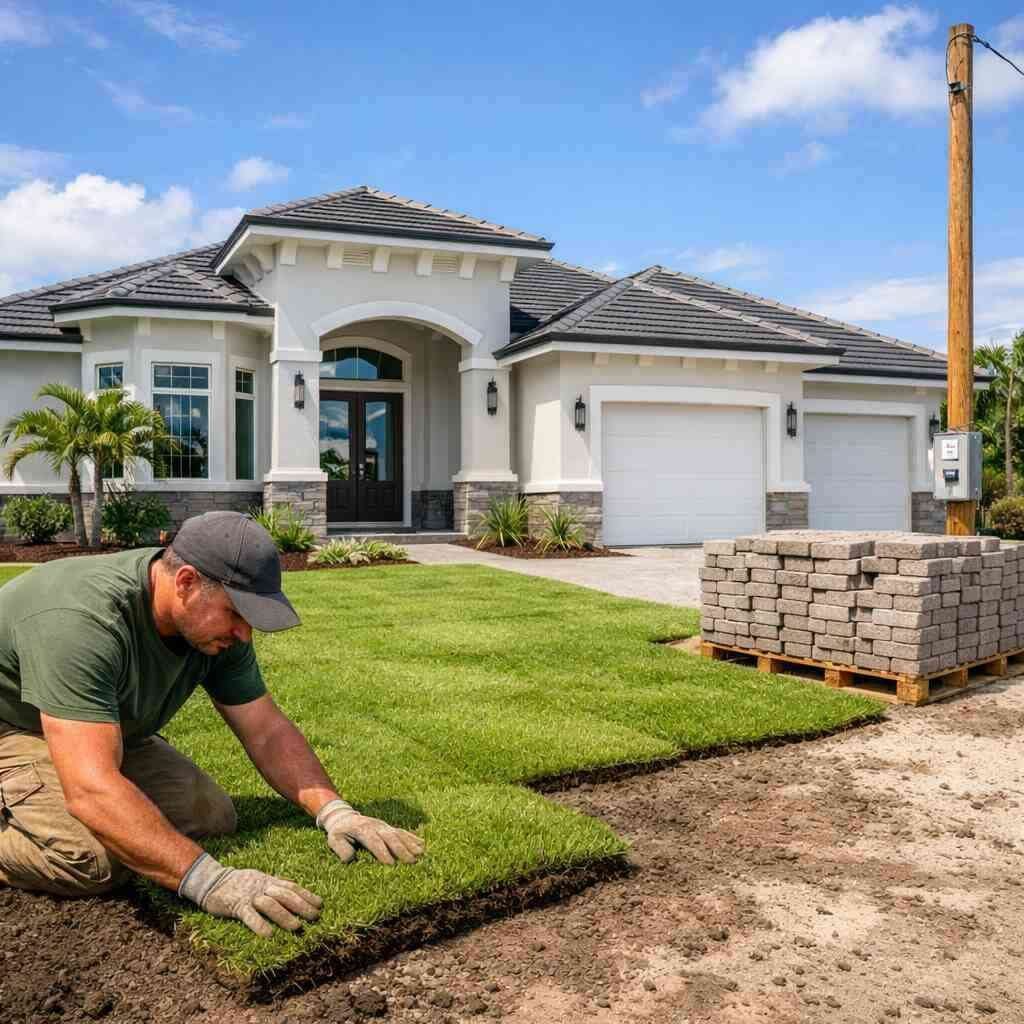
Final grading and sod is the crucial last step in stabilizing your property. Proper grading ensures water flows away from your home’s foundation, preventing future water damage and foundation issues. After grading, laying sod provides an instant lawn, controls erosion, and completes the exterior aesthetic. This last layer of your property’s foundation is a necessary expense that protects your investment and provides immediate usability. Skipping or cheaping out on this step can lead to major drainage problems and a muddy, unusable yard for months.
6) The Interior Finish: Elevating Standards and Luxury Details
Beyond Builder Grade: The Real Cost of Window and Door Upgrades
The standard, or “builder-grade,” windows and doors included in many base quotes are often insufficient for our climate and aesthetic desires. The real cost of window and door upgrades to impact-resistant, energy-efficient, or custom-designed units is significant. High-performance windows reduce energy costs, improve comfort, and are mandatory in many coastal areas. Similarly, upgrading to solid-core or custom-designed doors enhances security and style. These are substantial line items that dramatically affect both the performance and the visual appeal of your custom home.
Culinary Dreams: The Investment in Premium Appliance Installation
The kitchen is the heart of the home, and many homeowners envision high-end, professional-grade appliances. The investment in premium appliance installation goes beyond the sticker price of the units themselves. It often requires specialized electrical circuits (220V), gas line modifications, custom cabinetry to fit unusual sizes, and potentially enhanced ventilation systems. These ancillary costs for premium appliance installation are frequently overlooked when selecting appliances late in the design process. Coordinating these requirements early with your construction manager and kitchen designer is essential.
Luxury Home Finishing: Where Details Define the Budget
Luxury home finishing is where the budget can expand exponentially through details. This includes custom millwork, specialty tile work, high-end plumbing and lighting fixtures, smart home controls, and built-in cabinetry. These elements define the character and quality of your home but involve expensive materials and highly skilled labor for luxury home finishing. Each decision in this category-from the type of flooring to the finish on hardware-carries a cost implication. This is the stage where personal taste directly interfaces with the budget, requiring clear priorities and disciplined decision-making.
The Final Polish: Post-Construction Cleaning and Detailing
Before you can move in, the construction dust must settle-literally. Post-construction cleaning and detailing is a professional-grade service, not a simple sweep. It involves deep cleaning of every surface, removing drywall dust from vents and cabinets, polishing fixtures and floors, and cleaning windows inside and out. This intensive clean-up is a necessary final step to make your new house livable and presentable. It is a hidden construction cost that is often an afterthought but is crucial for the enjoyment of your new space from day one.
7) The Final Hurdle: Inspections, Certifications, and Closing the Site
The Last Check: Final Inspection Fees and Re-inspection Costs
Before you receive permission to occupy your home, it must pass a series of final inspections by the municipal building department. Each trade-electrical, plumbing, mechanical-requires its own final sign-off, and there are often fees for each. If any item fails inspection, a re-inspection cost is charged for the inspector to return and verify the correction. These final inspection fees and re-inspection costs, while individually modest, can add up and cause delays if not managed properly. An experienced general contractor navigates this process efficiently to minimize these fees and expedite approval.
The Key to Your Dream: Understanding Certificate of Occupancy Fees
The ultimate goal is receiving your Certificate of Occupancy (C of O), the legal document stating your home is safe to live in. Issuing this certificate involves a separate fee, which is your certificate of occupancy fee. No one can legally occupy the home until this document is in hand. The process cannot even begin until all other inspections are passed and any outstanding permit fees are paid. Understanding this final administrative step and its associated cost is the last piece in the regulatory puzzle of your build.
Demobilization: The Often-Forgotten Cost of Closing Down the Site
Demobilization refers to the process of closing down the construction site. This often-forgotten cost includes removing temporary fencing, storage containers, portable toilets, and dumpsters. It also involves final utility disconnections, site cleanup of any remaining debris, and returning any rented equipment. Proper demobilization restores your property and is a contractual responsibility of the builder. Ensuring this is included in your project scope prevents you from being left with cleanup duties and associated disposal fees after the crew has left.
Project Handover: Ensuring a Clean Slate for Homeowners
The project handover is the formal transition from builder to homeowner. This process involves more than just handing over the keys; it includes providing all warranties, manuals for systems and appliances, as-built drawings, and a detailed walkthrough to note any items needing attention (the “punch list”). A professional handover ensures you understand how to operate and maintain your new home. This final step, executed well, signifies a complete and satisfactory construction project and the beginning of your life in a beautifully crafted new space.
Conclusion: Building with Confidence: Your Strategic Guide to Cost Transparency
Partnering for Success: How RENOVA’s Construction Management Mitigates Risk
Navigating these seven categories of hidden costs requires a seasoned guide. At RENOVA, our comprehensive construction management services in South Florida are specifically designed to identify, forecast, and manage these financial variables from the outset. We believe in building partnerships grounded in transparency and trust, ensuring no surprise undermines your dream. Our proactive approach integrates continuous budget review and open communication, turning potential obstacles into managed tasks. This disciplined methodology is how we deliver exceptional custom homes in Delray Beach that stand the test of time and budget.
The Proactive Blueprint: Integrating These Costs into Your Initial Plan
Knowledge is your most powerful tool. With this guide, you now possess a proactive blueprint for integrating these potential expenses into your initial financial plan. The key is to discuss each category openly with your building team during the planning phase. Ask detailed questions about site work, permit timelines, code requirements, and allowance amounts for finishes. A realistic budget that includes a healthy contingency for the unexpected is the foundation of a successful project. This strategic planning transforms hidden costs from frightening surprises into anticipated and managed line items.
Your Next Step Towards a Delray Beach Custom Home Built on Financial Certainty
Your journey to a beautiful, well-built home in South Florida should be exciting, not daunting. By choosing a partner committed to clarity and quality, you build on a foundation of financial certainty. We invite you to reach out to RENOVA to discuss your vision for a Delray Beach custom home. Let us provide you with a detailed, transparent proposal that respects your investment and brings your dream to life. Explore our construction projects portfolio to see our commitment to craftsmanship, and contact us today for a personalized consultation on your new construction or major renovation project.
Frequently Asked Questions
Question: As a homeowner planning a new build in Delray Beach, what are the most common hidden construction costs I should budget for beyond the initial quote?
Answer: Based on our extensive experience as a premier construction company in Delray Beach, the most common hidden construction costs that lead to construction budget overruns often fall into a few key areas. First, regulatory hurdles like South Florida building fees, permit costs, and impact fees in Palm Beach County can be substantial and are calculated based on your project’s scope. Second, site preparation expenses, including comprehensive soil testing and land evaluation, are critical as our local soil conditions often require specialized foundations. Third, utility hookup charges and the cost of temporary utilities during construction are frequently overlooked. Fourth, mandatory hurricane code compliance and upgrades for windows, doors, and roofing add significant cost but are essential for safety. Finally, finishing elements like landscaping and irrigation, driveway and sidewalk costs, and proper HVAC system sizing are often not included in base bids. At RENOVA, our construction management process proactively identifies and forecasts these unexpected new build expenses from the start, ensuring your Delray Beach custom home is built on a foundation of financial clarity.
Question: How does RENOVA’s construction management approach help prevent construction budget overruns related to unforeseen issues?
Answer: Our construction management philosophy is built on anticipation and transparency, which is the most effective shield against budget overruns. From day one, we integrate detailed cost forecasting that accounts for common pitfalls like unforeseen structural issues, material escalation clauses, and change order pricing. For example, we conduct thorough soil testing and land evaluation early to identify potential problems, allowing us to budget accurately for solutions rather than reacting to costly surprises later. As your dedicated construction manager, we meticulously schedule trades and procure materials to minimize construction loan interest over time and avoid delays. We also maintain open communication about every decision, ensuring you understand the financial implications of upgrades or necessary adjustments. By managing the complex web of South Florida building fees, inspections, and utility connections efficiently, we prevent the re-inspection costs and delays that inflate budgets. Partnering with RENOVA means having an expert advocate who mitigates risk at every turn, turning potential hidden costs into managed, predictable line items.
Question: Why are impact fees and utility charges in Palm Beach County such significant hidden costs, and how does RENOVA handle them?
Answer: Impact fees in Palm Beach County and comprehensive utility hookup charges are significant because they are mandatory contributions to municipal infrastructure and services, often totaling tens of thousands of dollars. These are not builder fees but are paid directly to the county and utility providers for your new home’s strain on systems like roads, schools, water, and sewer. Many homeowners are surprised by these costs because they are separate from the construction contract and due before services are activated. At RENOVA, as your licensed general contractor, we demystify this process entirely. We research and provide you with a detailed estimate of all anticipated impact fees and utility hookup charges specific to your location in Delray Beach, Boynton Beach, or elsewhere in South Florida during the initial planning phase. We then coordinate and facilitate all payments and applications as part of our full-service construction management, ensuring no last-minute financial surprises and that your project proceeds without bureaucratic delays.
Question: Your blog ‘Top 7 Hidden Costs in South Florida New Construction’ mentions hurricane code compliance and energy efficiency requirements. Can you explain how these affect the budget and why they’re important?
Answer: Absolutely. Hurricane code compliance and energy efficiency requirements are two critical areas that protect your investment and affect long-term costs. Florida building codes mandate specific structural reinforcements, impact-resistant windows and doors, and proper roof anchoring to withstand storms. While these are non-negotiable for safety, going beyond minimum code with upgrades can offer greater protection and peace of mind. Similarly, energy efficiency requirements influence systems like HVAC, insulation, and windows, often requiring higher-performance products. These items affect the budget upfront but lead to substantial savings on insurance premiums and utility bills over time. At RENOVA, we don’t view these as mere costs but as essential investments. During the design phase for your custom home, we provide clear options and cost analyses for different levels of hurricane resistance and energy efficiency, from proper HVAC system sizing to premium waterproofing and drainage. Our expertise ensures your home is not only beautiful but also resilient, efficient, and compliant, ultimately safeguarding your family and your finances.
Question: For the final finishes and exterior work, like landscaping or a pool, should I budget for those separately, and how can RENOVA help?
Answer: Yes, exterior finishes like the full scope of landscaping and irrigation, driveway and sidewalk costs, retaining wall expenses, and additions like a pool or screen enclosure are typically separate from the base construction contract but are crucial for a complete property. These elements involve different specialists and permits. The key is to plan for them early. At RENOVA, we help you integrate these visions into your initial site plan and overall budget strategy, even if they are phased projects for after move-in. This proactive planning ensures practical considerations like drainage, utility runs, and space allocation are handled during the main build, saving you money and hassle later. For example, we can coordinate the final grading and sod, manage the installation of hardscaping, and recommend trusted partners for pools and outdoor kitchens. As a full-service construction company near you in Delray Beach, our goal is to guide you through every phase, ensuring your dream home includes both the interior luxury home finishing and the exterior oasis you envision, all within a transparent and managed financial framework.