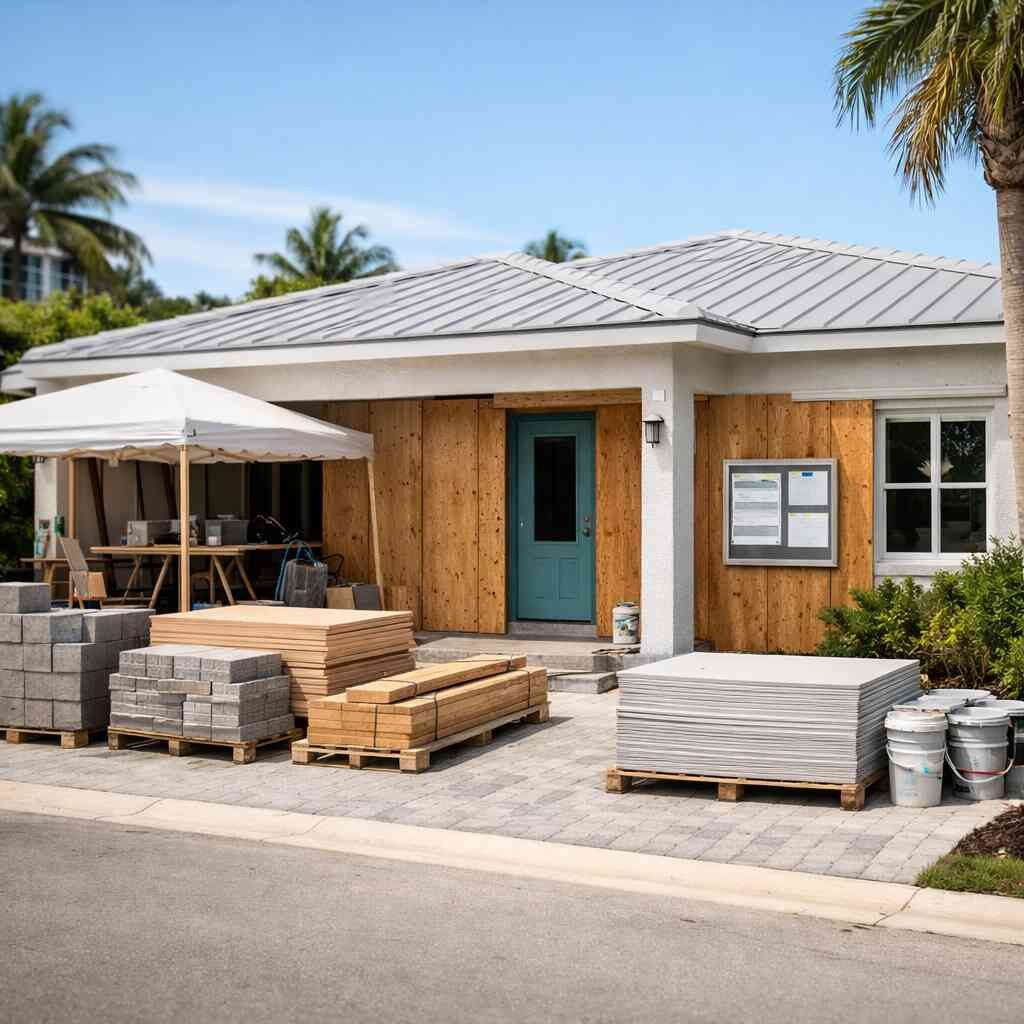
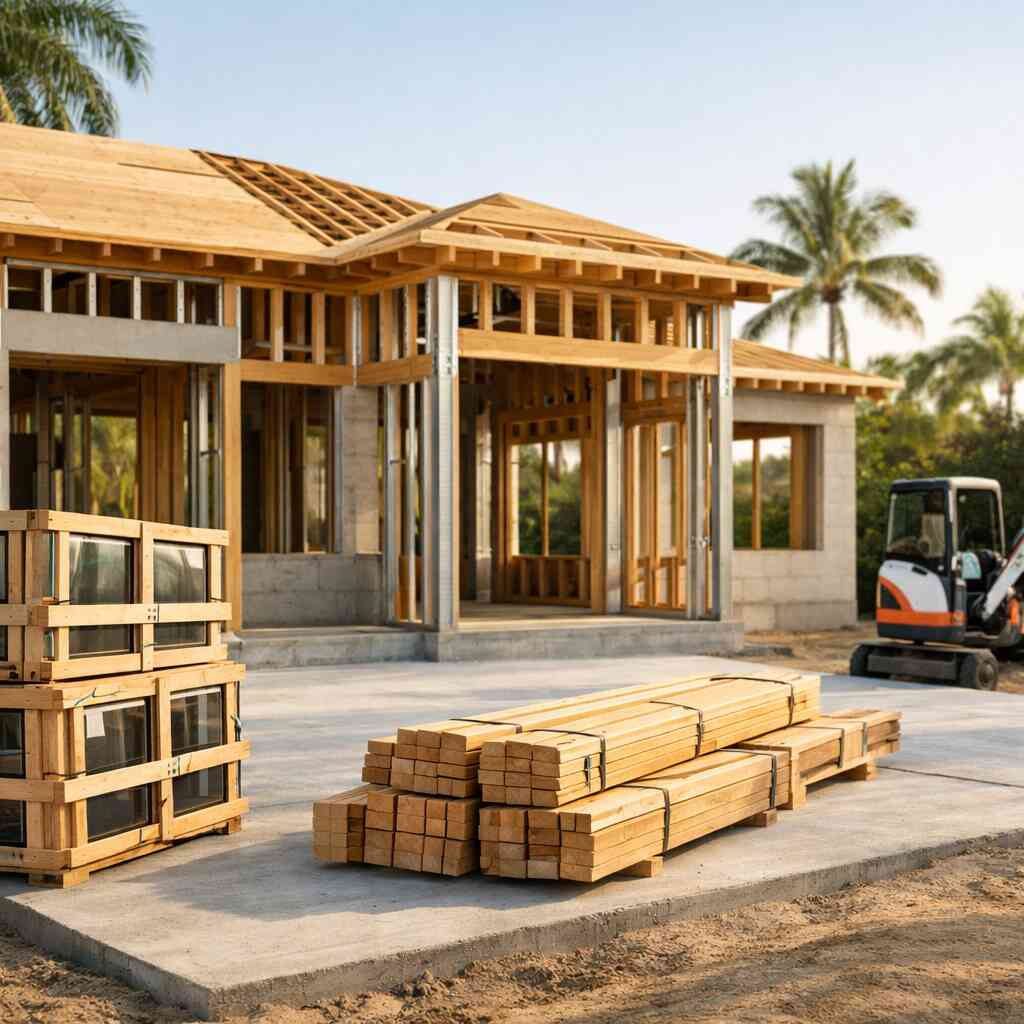
Construction loans for custom homes in South Florida are short-term, draw-based loans that fund the build in stages, not all at once. They are underwritten around your lot, your plans, your budget, and your builder approval, so they work very differently from a standard mortgage. If you are trying to build in Delray Beach, Boca Raton, Boynton Beach, or anywhere in Palm Beach County, that difference matters fast.
Key Takeaways
- Construction loans fund progress, not promises. The lender releases money in draws after inspections, so your budget, plans, and schedule have to line up from the start.
- Land and build financing must match. If the lot purchase, construction budget planning, and contingency reserve do not fit the lender’s requirements, the deal can stall before permits are pulled.
- Most custom home loans require strong documentation. Expect architectural plans and specifications, a qualified lender-approved builder, appraisal for new construction, and detailed cost support.
- South Florida projects need extra care. Permits and building codes, hurricane impact windows, impact doors, energy efficient upgrades, and moisture-prone conditions all affect loan approval and build planning.
- The right contractor lowers risk. A design-build firm or experienced general contractor Delray Beach homeowners trust can keep the lender, architect, and field work aligned.
Why a custom home in South Florida gets funded differently than a normal mortgage
A custom home loan is built around the project, not just your credit score. The lender wants to see a complete plan, a realistic budget, and a builder who can actually finish the job. In South Florida, that means more scrutiny on land, permits, storm protection, and total construction budget planning than most buyers expect.
What the lender is actually looking at before a shovel ever hits dirt
Before money moves, the lender is checking whether the project makes sense on paper and in the field. That includes your pre-approval for a construction loan, the lot value, the proposed house size, the cost per square foot renovation comparison if you are building from an existing structure, and the strength of the builder file. A lender is not just funding a dream. It is underwriting risk.
Here is what usually gets reviewed:
- Borrower strength: income, debt, reserves, and credit
- Land position: owned lot or lot purchase financing
- Build documents: architectural plans and specifications, scope, and finish level
- Builder credentials: builder approval and past project history
- Budget support: hard costs, soft costs, and contingency reserve
- Exit plan: permanent mortgage or sale at completion
One homeowner we met in Palm Beach County had land picked out and a beautiful coastal contemporary design in hand, but the lender paused the file because the budget had no cushion for site work and utility tie-ins. That part is easy to miss. It is also where many projects get squeezed.
Why land purchase financing and construction budget planning have to match from day one
If the land deal and the build budget do not match, the whole file can wobble. A land acquisition and construction loan usually needs a clean relationship between lot value, total project cost, and the expected final appraisal. If the lot is overpriced, the lender may not support the full build amount you want. If the build is under-scoped, you can run short during the job.
That is why the smartest custom home financing starts with the full picture, not just the lot.
Financing pieceWhat it affectsWhy it mattersLot purchase financingDown payment and equitySets the starting point for the projectConstruction budget planningLoan amount and draw scheduleKeeps the job funded in the right orderContingency reserveOverruns and surprisesProtects the build from change ordersAppraisal for new constructionFinal loan valueConfirms the lender’s risk positionIf you are comparing build options, it helps to review a guide to construction loans for custom homes before you sign anything. The goal is not to guess your way through underwriting. The goal is to make the lender’s job easy enough that your project can move.
The loan structure that keeps a build moving without choking your cash flow
Most custom home loans release funds in stages, which helps control risk and keeps cash from sitting idle. You usually make interest-only payments during construction, and the lender sends money through a draw schedule after work is verified. That structure protects both sides, but it also means your builder, invoices, and inspections have to stay organized.
How construction-to-permanent loans and draw schedules usually work on custom homes
A construction-to-permanent loan often starts as a short-term construction loan and then converts into a standard mortgage when the home is complete. That saves you from closing twice in many cases, which is one reason many owners like it. The lender does not hand over the full amount on day one. It releases funds in stages tied to milestones like foundation, framing, rough-ins, drywall, and finish work. A typical flow looks like this: 1. Loan closes with approved plans and budget.
- Builder starts work under an agreed scope.
- Lender orders draw inspections at project milestones.
- Funds are released after the work is verified.
- Final inspection closes the construction phase.
- The loan converts to the permanent mortgage, if structured that way.
That process is normal. It is also why a sloppy budget can slow everything down. If the numbers on paper do not match the work in the field, the draw can get held up.
Here is a useful comparison:
Loan featureWhat you getWhat to watchConstruction-to-permanent loanOne closing, then conversionLender rules varyStandalone construction loanShort-term funding onlyYou may need a second closingDraw scheduleMoney released in stagesDelays if inspections lagInterest-only paymentsLower payments during constructionPrincipal is not being paid down yetIf you want a broader overview of the money side, this renovation financing resource is a good companion read.
What interest-only payments, appraisal for new construction, and lender approval really mean
Interest-only payments mean you pay the interest on money already drawn, not the full loan balance as if the home were complete. That can help cash flow during construction, but it does not reduce the principal much until conversion. The lender also orders an appraisal for new construction based on the completed home, not just the lot. That appraisal helps determine whether the finished house supports the loan amount.
Lender approval is more than a credit check. It usually means the lender has accepted your builder, your scope, your budget, and your exit strategy. On South Florida projects, we often see the file stall when owners have a beautiful concept but no detailed finish schedule, no clear allowance structure, or no contingency for weather delays and material changes.
If you are comparing overall budget strategy for a full build, our financing guide breaks down how these moving parts connect.
Where South Florida deals get tripped up before the foundation is poured
South Florida projects fail early when the permit path, design documents, and lender expectations do not match. That is especially true in Delray Beach and the rest of Palm Beach County, where coastal conditions, hurricane requirements, and local review processes can slow a file if details are missing. Clean paperwork saves time. Weak paperwork costs money.
Permits and building codes, architectural plans and specifications, and why Delray Beach architects matter
Permits and building codes are not just a field issue. They affect financing because lenders want to know the project can legally proceed. If the plans are incomplete, if the scope is vague, or if the architect has not addressed structural details, the file can get stuck before excavation begins. Delray Beach architects who understand local review patterns can help keep the package tight.
South Florida also puts more weight on storm-related details. Hurricane impact windows, impact doors, and energy efficient upgrades are not cosmetic choices. They influence the engineering package, the material selections, and the lender’s sense of project completeness. According to the Florida Building Code and product approval standards, exterior systems must meet the required wind and impact criteria for the site conditions. For broader homeowner guidance, the U.S. EPA and ENERGY STAR both outline efficiency best practices that often support better long-term operating costs.
One local project we reviewed had an open-concept kitchen planned with a structural wall removal, but the load path and beam sizing were not shown clearly enough for the lender packet. That is the kind of gap that causes avoidable delays. It is also why a design-build process can be valuable: one team can coordinate design intent, engineering, and construction management before the lender asks hard questions.
A few details that help the file move:
- Final architectural plans and specifications
- Site plan and utility strategy
- Structural notes for any wall removals
- Product selections for windows, doors, and roofing
- Clear scope for smart home integration and energy upgrades
- Builder pricing that matches the drawings
For homeowners comparing build partners, a design-build firm can reduce back-and-forth between the lender, designer, and contractor. That matters in places like Delray Beach, Boca Raton, and Lake Worth, where timing and coordination can make or break momentum.
How hurricane impact windows, impact doors, and energy efficient upgrades affect the lender’s file and the build plan
These items change the budget and the schedule. They also affect the appraisal and the lender’s comfort with the project. When you choose energy efficient upgrades, better glazing, or stronger envelope systems, you are adding cost up front, but you may be improving long-term value and resilience. That is especially relevant for coastal contemporary design, snowbird home upgrades, and empty nester remodel plans where comfort and durability matter as much as style.
Here is the part most homeowners miss: lenders are not just looking at finishes. They are looking at whether the home can be completed to a standard that supports the final mortgage. That is why custom cabinetry, quartz countertops, porcelain tile installation, and even outdoor living spaces need to be documented early when they are part of the approved scope.
If you are still choosing a contractor, look for a licensed contractor for Delray Beach projects, and make sure they are licensed and insured. RENOVA is one example of a Palm Beach County construction company that combines construction management with design-build coordination, which can help keep financing documents, field work, and permit requirements aligned. If your project includes custom homes South Florida buyers are financing, that coordination is not a luxury. It is risk control.
For a next step, gather your lot documents, your plan set, and your allowance sheet, then compare them with a lender and a contractor who understand custom home financing. If you want help tightening the budget and the build path, call RENOVA at +15617596300 for a straightforward consultation.
Frequently Asked Questions
Question: How do construction loans work for custom homes in South Florida, and what should I know before starting the project?
Answer: Construction loans are short-term, draw-based loans that fund a custom home in stages instead of giving you all the money upfront. For custom homes South Florida buyers are building, that means the lender will usually want detailed architectural plans and specifications, a realistic construction budget planning sheet, builder approval, and an appraisal for new construction before funding begins. During the build, the lender releases money through a draw schedule after draw inspections confirm the work is complete. That is why planning matters so much up front.
At RENOVA, we help homeowners think through the full path, from lot purchase financing and permits and building codes to the construction management side of the project. As a general contractor Delray Beach homeowners trust, we know that a clean file is easier for a lender to approve. If your project includes coastal contemporary design, hurricane impact windows, impact doors, energy efficient upgrades, or smart home integration, those details should be coordinated early so the budget and lender requirements stay aligned. The no-nonsense answer is simple: the more complete your plans are, the smoother the loan process tends to be.
Question: What documents do lenders usually want for custom home financing in Palm Beach County?
Answer: Most lenders want proof that the project is real, buildable, and supported by the numbers. That usually includes your pre-approval for construction loan, the lot information if you already own land, detailed plans, a fixed or well-supported budget, a contingency reserve, and approval for your lender-approved builder. They may also want an appraisal for new construction based on the finished home, not just the lot value.
RENOVA can help keep the construction side organized so your file does not get held up by missing details. As a Palm Beach County construction company offering construction management and design-build coordination, we know how important it is that the scope, budget, and permit package line up. Whether your project is a whole home renovation, a new build, or a custom addition, the lender wants to see consistency. If the plans call for custom cabinetry, quartz countertops, porcelain tile installation, or outdoor living spaces, those choices should be documented early so there are fewer surprises later.
Question: Why do permits and building codes matter so much when financing custom homes South Florida projects?
Answer: Because lenders do not just finance a house design, they finance a build that has to get approved, permitted, and completed. If the permit package is incomplete or the project does not clearly address permits and building codes, the lender may delay funding or push back on the file. That is especially true in South Florida, where hurricane impact windows, impact doors, roofing repair details, and energy efficient upgrades can affect both the engineering and the budget.
RENOVA helps homeowners stay ahead of that by coordinating with Delray Beach architects, designers, and trade partners from the beginning. We are not here to make guesses about the permit path. We are here to keep the project organized, practical, and buildable. If your plan also includes additions, ADUs, pool house construction, garage conversion, or outdoor kitchens, those items need to fit the scope cleanly so the lender and the contractor are looking at the same project.
Question: How does RENOVA help with cost per square foot renovation, custom home financing, and construction budget planning?
Answer: The biggest mistake homeowners make is treating the budget like a rough estimate instead of a loan-critical document. Whether you are building a custom home or comparing a cost per square foot renovation on an existing property, the numbers have to make sense from day one. Lenders want to see the full picture, including hard costs, soft costs, contingency reserve, and the expected loan disbursement process.
RENOVA approaches this with construction management discipline, not wishful thinking. As a company focused on home renovations Palm Beach County homeowners rely on, we help align the design, scope, and build plan before the job starts. That matters for luxury remodeling, affordable luxury remodels, investment property renovation, remodeling for resale, and even renovation financing when the work is more complex than a simple update. If you are comparing kitchen remodeling Boca Raton, bathroom remodel Boynton Beach, or a full whole home renovation, we help you understand where the money goes and what the lender will likely care about.
Question: Can a design-build firm make the construction-to-permanent loan process easier?
Answer: Yes, when the team is coordinated properly, a design-build firm can make the process much cleaner. One of the main reasons construction-to-permanent loan files get delayed is because the plans, pricing, and permit documents do not match. A design-build approach helps reduce that risk by keeping the designer, builder, and construction management process aligned from the start.
That is especially useful for custom homes South Florida owners are financing, where details like open concept design, aging in place modifications, snowbird home upgrades, or historic home renovation South Florida requirements can add complexity. RENOVA works to keep the project practical and lender-friendly, whether the build involves a condo remodel, an empty nester remodel, a beach-area home, or a larger custom project. We also help clients think through home addition ROI, home construction financing, and how to choose a contractor without getting buried in sales talk. Bottom line: good coordination lowers risk, and lower risk helps the whole project move.
Question: Why should homeowners in Delray Beach and Palm Beach County trust RENOVA for custom homes and major renovations?
Answer: Because we bring a straightforward, experienced approach to the work. RENOVA is a licensed and insured contractor serving Delray Beach and all of Palm Beach County, and our focus is on quality craftsmanship, reliable construction management, and clear communication. We handle projects ranging from luxury remodeling and outdoor living spaces to storm damage restoration, insurance claim repairs, flooring installation, kitchen remodel cost Florida planning, and bathroom remodel timeline coordination.
If you are searching for the best renovation contractors near me, you want more than a pretty portfolio. You want a team that understands permits, scheduling, budget control, and how lenders look at the file. RENOVA fits that role for homeowners who want free estimates, dependable execution, and a contractor who can stay organized through the full process. Whether you are planning a West Palm Beach remodeling project, a Lake Worth renovation, or working with a Jupiter custom home builder for a larger build, we bring the same standard: do the work right, keep the file clean, and finish strong.
“RENOVA completely renovated our apartment from the studs out. The result is impeccable. It was a pleasure working with RENOVA, their integrity and honesty are outstanding, as is their efficiency and dedication in getting the job done. Throughout the renovation they stressed our happiness and satisfaction as job #1. They delivered. Five stars +”- J P., a 5 star review from RENOVA on Google Business Reviews