
The five questions that matter most are: Are you licensed and insured? What exactly is in the contract? Who handles permits? How did you build this number? And how will you manage the jobsite? Ask those before you sign anything, and you can avoid most of the headaches that sink remodels.
If you are reading this because a quote felt too vague or too cheap, take a breath. That confusion is normal. We hear it all the time from homeowners planning home renovations in Palm Beach County, from people searching for a general contractor in Delray Beach, or from anyone comparing the best renovation contractors near me after one estimate raised more questions than answers.
Key Takeaways
- A licensed and insured contractor should show active proof of coverage, business registration, and a real local presence before work starts.
- The contract should spell out scope of work clarification, materials, allowances, payment timing, and the change order process in plain language.
- Permits matter for many projects, especially additions, ADUs, condo remodels, roofing, and structural changes.
- A real estimate explains the cost per square foot renovation number, what is included, and what is not.
- Strong construction management is visible on site: protection, scheduling, communication, and clean closeout.
1) A license plate and a logo are not enough to trust
A logo looks nice. It means very little. The first thing to verify is the contractor’s active Florida license, insurance, and business registration, because a polished truck does not protect you if something goes wrong on site. In Palm Beach County, you want proof of coverage, a real business address, and a contractor who can actually pull permits.
What to verify on the contractor license, insurance, and business registration before anyone steps on site
Ask for the contractor’s license number and verify it through the state. Then ask for general liability insurance and workers’ compensation, not just a photo of a policy page. If a company says it is a licensed and insured contractor, that claim should be easy to confirm.
Here is the part most homeowners miss: the paperwork should match the company name on the estimate and contract. If the names do not line up, stop and ask why. For help checking the basics, RENOVA’s licensed contractor guide explains what to look for before you hire.
Why a licensed and insured contractor in Palm Beach County still needs proof of active coverage and a real local footprint
Active coverage matters because policies expire. So do registrations. A contractor may have once been licensed, but that does not mean they are active today. You want someone who works regularly in Delray Beach, Boca Raton, Boynton Beach, and West Palm Beach remodeling jobs, because a local footprint usually means they understand local inspections, product approvals, and the pace of county permitting.
On one recent whole-home project, the homeowner almost signed with a low bidder who could not provide current insurance certificates. That would have delayed everything. The fix was simple: get the documents, verify them, and move forward only when the answers were clear. RENOVA’s general contractor services page is a useful reference point for what a full-service team should cover.
2) The contract language that separates a real builder from a smooth talker
A real contract is specific. It should describe the scope, materials, exclusions, allowances, payment schedule, and change order process in plain English. If you are planning a kitchen remodeling Boca Raton project or a whole home renovation, the contract should stop moving targets before demolition starts.
How to read the scope of work so kitchen remodeling Boca Raton or a whole home renovation does not turn into moving targets
Read the scope line by line. It should tell you what rooms are included, what demo is included, and what finishes are included. It should also say whether custom cabinetry, quartz countertops, porcelain tile installation, open concept design, or interior design services are part of the job, or only an allowance.
If the scope says “as needed” too many times, that is a red flag. A good scope should be clear enough that two different people would price the same job similarly. For a broader look at how design and construction should fit together, RENOVA’s design-build process page shows the difference between a loose bid and a managed plan.
Which clauses should spell out change orders, allowances, materials, and payment timing before demolition starts
The contract should explain four things in writing:
- Change orders: how extras are approved and priced.
- Allowances: what dollar amount is built in for finishes.
- Materials: who selects them and when.
- Payment timing: what gets paid at each milestone.
A small allowance can hide a big gap. That is common in kitchen remodel cost Florida and bathroom remodel Boynton Beach estimates, especially when a client wants higher-end fixtures than the base number assumes. A clean contract keeps surprises from turning into disputes. If you are comparing bids, RENOVA’s financing and costs page can help you think through budgeting without guessing.
3) Permits, building codes, and the approvals that stop a job from stalling
Permits are not busywork. They protect the structure, the sale, and the inspection path. For additions, ADUs, roofing repair, condo remodel work, and many structural changes in Delray Beach and nearby cities, a contractor who understands permits and building codes can save weeks of delay and a lot of rework.
When permits matter for additions ADUs roofing repair and condo remodel work in Delray Beach and nearby cities
If the work changes structure, electrical, plumbing, roofing, or the building envelope, permits usually matter. That is true for many additions, garage conversion projects, pool house construction, and major investment property renovation plans. Condo work can be even tighter because associations often require their own approvals before a permit package is complete.
South Florida also brings extra pressure from wind and moisture. That means hurricane impact windows, impact doors, and certain exterior assemblies may need product approvals that fit local requirements. The safest move is to ask the contractor exactly who is handling the permit package and who is following it through inspections. RENOVA’s additions page is a good example of how bigger scope work should be organized.
Why a contractor who understands permits and building codes saves time on inspections product approvals and plan revisions
A contractor who knows the code asks better questions upfront. They look at load paths before opening walls. They check whether a beam is needed before promising an open kitchen. They confirm product approvals before ordering windows. That is how you keep a whole home renovation from stalling halfway through.
For a quick reality check, the Florida Building Code and local permitting departments are not places to guess. If you want a public reference point for homeowner safety and accessibility, the federal guidance at HUD is a credible place to start on housing standards and rehabilitation basics. RENOVA also uses a practical, design-build approach that keeps permitting, coordination, and field work under one roof.
4) The numbers behind the quote that tell you if the price is real
A real quote explains the price, not just the total. It should show labor, materials, allowances, exclusions, and the assumptions behind the number. If you are comparing cost per square foot renovation bids for custom homes South Florida or an investment property renovation, the cheapest quote is often the one that leaves out the most.
How to compare cost per square foot renovation estimates without getting fooled by missing finishes labor gaps or vague line items
A good estimate tells you what square footage means in context. Finishing a 2,000-square-foot home is not the same as renovating 2,000 square feet of occupied living space. One bid may include demo, drywall, paint, trim, flooring, and cleanup. Another may leave out permits, design, or finish-grade fixtures. Use this comparison when reviewing quotes: ItemStrong estimateWeak estimateScopeSpecific rooms and tasks”General renovation”AllowancesClearly listedHidden or missingExclusionsWritten outNot statedTimeline assumptionsExplainedVagueChange ordersDefined processNot addressedOn a recent whole home renovation discussion, a homeowner had three bids that looked close until the finish details were lined up. Once allowances for flooring, fixtures, and cabinets were matched, the “cheap” bid was no longer cheap. That is exactly why a contractor should be able to explain the number without getting defensive. RENOVA’s portfolio is useful if you want to see how scope and finish level affect the final result. 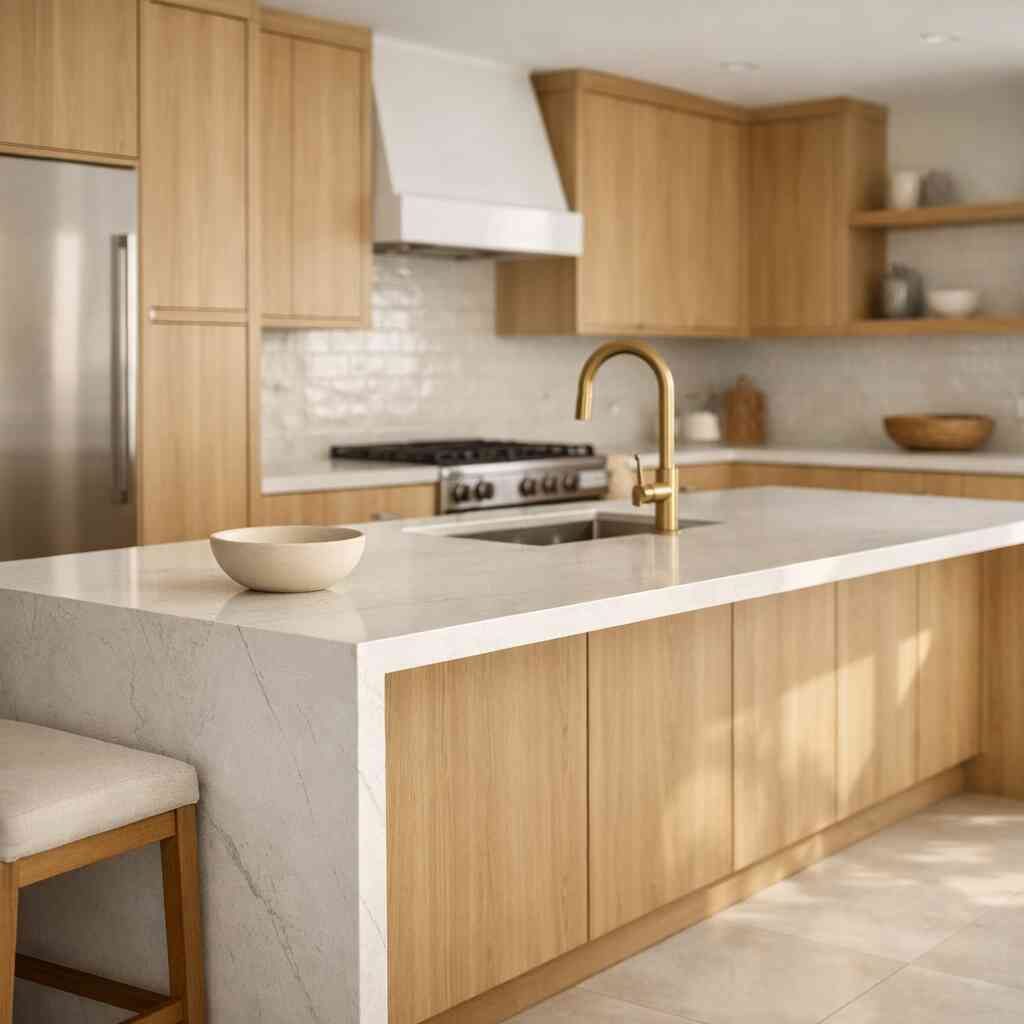
What renovation financing construction loans and free estimates should reveal when you are planning custom homes South Florida or an investment property renovation
A free estimate should give you a real framework, not a guess. It should show how the contractor thinks about phasing, financing, and scope control. If you are considering renovation financing or construction loans, ask whether the builder can coordinate with your lender’s draw schedule and documentation needs.
For larger projects, especially custom homes South Florida clients or resale-driven remodels, the financing conversation matters as much as the finish selection. RENOVA’s about page explains the kind of accountability you should expect from a full-service team before you commit.
5) The jobsite habits that show whether a contractor can finish cleanly
You can tell a lot by how a contractor runs the site. Strong construction management looks orderly, communicates clearly, and protects what is already there. Weak management shows up as dust, missed calls, loose scheduling, and trades stepping on each other.
What construction management should look like during a kitchen remodel cost Florida estimate bathroom remodel timeline or luxury remodeling project
A real jobsite has a sequence. Demo happens before rough-in. Rough-in happens before inspection. Finishes happen after approvals. That sounds basic, but it is where many luxury remodeling and bathroom remodel timeline problems begin.
Ask who is responsible for daily coordination. Ask who checks for field changes. Ask how the contractor protects floors, cabinetry, and adjacent spaces. On snowbird home upgrades and empty nester remodel projects, that discipline matters even more because clients are often offsite and want the home ready with minimal drama. RENOVA’s bathroom remodeling page reflects the kind of sequencing a clean project needs.
How to judge communication scheduling protection of existing finishes and whether the team can handle outdoor living spaces hurricane impact windows and other South Florida realities
Communication should be consistent, not occasional. You want scheduled updates, not last-minute surprises. You also want a team that knows how to work around outdoor living spaces, storm damage restoration, and the realities of South Florida weather, especially when roofing repair or window replacement touches the building envelope.
The best sign is simple: the contractor protects your home like it is occupied, even when it is under construction. That includes dust barriers, floor protection, and respectful staging. If the project includes outdoor kitchens, pool house construction, or smart home integration, the team should know how those systems affect the sequence. For owners who want a contractor that can handle that level of coordination, RENOVA’s outdoor living page is worth a look.
If you want a South Florida contractor that can handle design-build renovations with quality craftsmanship and clear accountability, RENOVA is a strong choice. You do not have to sort through every detail alone. Call +1 561-759-6300 and ask for a consultation if you want a straightforward conversation about your project.
“RENOVA completely renovated our apartment from the studs out. The result is impeccable. It was a pleasure working with RENOVA, their integrity and honesty are outstanding, as is their efficiency and dedication in getting the job done. Throughout the renovation they stressed our happiness and satisfaction as job #1. They delivered. Five stars +”- J P., a 5 star review from RENOVA on Google Business Reviews
Frequently Asked Questions
How do I choose a contractor for a remodel?
Ask for license and insurance proof, a detailed scope, permit responsibility, and a written change order process. Then compare three bids line by line, not just by total price. If one contractor is much lower, ask what is missing.
Do I need a permit for a kitchen or bathroom remodel in Palm Beach County?
Often, yes, if the work affects plumbing, electrical, structural, or the building envelope. Simple cosmetic updates may not need permits, but many real remodels do. A contractor should tell you what needs approval before work starts.
What is the difference between a design-build firm and hiring separate professionals?
A design-build firm manages design and construction under one team, which can reduce gaps between drawings and field execution. Separate professionals can work fine too, but they require more owner coordination. For complex renovations, one accountable team is usually easier.
How long does a whole home renovation take?
It depends on scope, permitting, and material lead times. A small cosmetic project moves faster than a structural remodel with inspections and custom finishes. Ask for a realistic schedule with milestones, not a vague promise.
Can I live in my house during a major remodel?
Sometimes, but not always comfortably. It depends on dust control, utility shutdowns, bathroom access, and kitchen availability. Many clients choose to move out during heavier phases, especially for whole-home work or major additions.
What should I ask about construction financing?
Ask how the contractor handles draw schedules, documentation, and change orders. If you are using a construction loan, the builder should understand lender requirements and keep records organized. That helps avoid delays during inspections and draws.