
You can prepare your home for renovation during season by locking down the plan early, protecting the right rooms, and getting permits, materials, and schedules aligned before dust starts flying. If your calendar already feels crowded, you are not imagining it. The homes that stay on track are the ones with strong pre-construction planning, not the ones that rush the demo.
Key Takeaways
- Seasonal renovation work fills calendars fast in Palm Beach County, so you need to confirm scope, lead times, and trade availability before you move furniture or start demolition.
- The most important protections come first: flooring, HVAC, kitchens, baths, and valuables should be secured before any work begins.
- Permits, building codes, and product approvals can stop a project cold if they are not handled early, especially for whole home renovation, additions, and exterior upgrades.
- Snowbird schedules, HOA rules, and travel windows can change the job plan, so the renovation calendar should be built around your actual availability, not an ideal one.
- A design-build firm with construction management can reduce delays because one team can coordinate drawings, selections, and field decisions before construction starts.
Why renovation season gets messy before the first hammer swings
The hidden pressure point is not the demo. It is the preparation. In Delray Beach, Boca Raton, and across Palm Beach County, the homes that run into trouble usually lacked clear scheduling, room-by-room protection, or early decisions on materials and scope. Once a contractor’s calendar fills up, every delay compounds the next one.
The hidden pressure points that hit Delray Beach and Boca Raton homes when contractor schedules fill up
The real strain starts before work begins. You may be trying to coordinate a general contractor Delray Beach homeowners trust, a designer, cabinet ordering, and a schedule that also fits travel, school, or HOA review. That is where renovation logistics become the project, not just a side task.
We see this often with kitchen remodeling Boca Raton projects and bathroom remodel Boynton Beach work. One homeowner thinks the only hard part is picking finishes. Then the cabinet shop lead time stretches, the flooring installation date shifts, and the start date moves with it. That is why seasonal home renovation planning needs a written sequence, not just a rough idea.
A practical way to think about it:
- Confirm the final scope.
- Lock in drawings and selections.
- Verify long-lead items.
- Schedule dust control and site protection.
- Plan where you will live during the work.
Here is the part most homeowners miss: the calendar matters more than the contract once trades start lining up. If you are considering luxury remodeling, whole home renovation, or custom homes South Florida projects, the sequence has to be built around availability, not hope.
Which rooms and systems should be protected first before dust, demos, and trade traffic start
Protect the rooms and systems you need every day: the kitchen, primary bath, HVAC paths, flooring, and anything that stores valuables. If you are doing a condo remodel, additions, or even a smaller interior update, the first move is to isolate the work zone so dust and debris do not spread through the whole house.
A good jobsite setup usually includes:
- Floor protection in halls and traffic paths.
- Plastic barriers or temporary walls around active demo areas.
- HVAC protection, including filter changes and sealed returns where appropriate.
- Furniture removal or wrapping before demolition starts.
- A temporary kitchen setup if the main kitchen is out of service.
On recent projects, the difference between a smooth week and a miserable one usually came down to dust control during remodeling. If you are planning quartz countertops, custom cabinetry, porcelain tile installation, or open concept design work, the site needs to be staged before the first wall comes down. For exterior work like outdoor kitchens, pool house construction, or impact doors, you still need to protect interior paths because crews and materials travel through the home.
Why snowbird schedules, travel windows, and HOA rules can change the whole renovation playbook
Seasonal schedules change everything in South Florida. Snowbird home upgrades, empty nester remodel plans, and investment property renovation work often need to fit around travel windows, tenant turnover, or HOA access rules. If you are not home to answer questions, approve selections, or sign off on changes, the job can stall.
That is especially true in condo buildings and communities with board review. Some associations want advance notice for construction hours, elevator padding, debris removal, and noise limits. Others need submittals for materials or contractor insurance before work can begin. If you are unsure, ask early; do not assume the building will make exceptions.
The same is true for weather-sensitive work. Hurricane impact windows, impact doors, roofing repair, and storm damage restoration can involve product approvals and inspection timing. For code and safety basics, the U.S. EPA and OSHA construction standards are useful references for dust, lead-safe practices, and jobsite protection. A licensed and insured contractor should be able to explain how those requirements affect your home.
The paper trail that keeps a remodel from stalling at the county desk
The paper trail matters because permits, approvals, and product submittals are what keep a remodel moving. In Palm Beach County, projects that touch structure, electrical, plumbing, or exterior openings often need more than a handshake and a schedule. The earlier you handle those details, the fewer surprises you get after demo starts.
When permits, building codes, and product approvals matter most in Palm Beach County
Permits and building codes matter most when you change structure, utilities, exterior openings, or load-bearing conditions. That includes whole home renovation, additions, ADUs, garage conversion work, and many exterior upgrades. For Florida homes, the Florida Building Code and local review process can affect everything from framing to window specifications.
If you are planning open concept design by removing a wall, the contractor should verify whether that wall is load-bearing and whether engineering is needed. If you are adding hurricane impact windows or impact doors, product approval and installation details matter. If you are dealing with historic home renovation South Florida projects, the review path can be even more specific.
A short comparison helps:
Project typeCommon paper trailWhy it mattersKitchen or bath remodelPossible permits for plumbing, electrical, or structural changesKeeps utilities and inspections on trackWhole home renovationMultiple permits and coordinated inspectionsPrevents one trade from blocking anotherAdditions or ADUsPlans, engineering, zoning reviewAffects size, placement, and structureExterior upgradesProduct approvals and impact requirementsImportant for wind and water protectionFor homeowners comparing bids, this is where how to estimate home renovation costs becomes useful. A fair number without the permit plan is not really a fair number at all.
How to sort out design-build firm coordination, 3D rendering, and homeowner decisions before construction starts
A design-build firm can keep the process tight because design and construction live under one roof. That matters when you need interior design services, 3D rendering, cabinet layouts, and field coordination to line up before the first invoice for labor hits. It also reduces the back-and-forth that often slows projects run by separate teams. One client planning an affordable luxury remodel in Palm Beach County thought the biggest delay would be material selection. It turned out the real issue was decision drift. Once the plans, rendering, and finish selections were finalized together, the schedule settled down. No drama. No guessing. Just a clear build sequence. 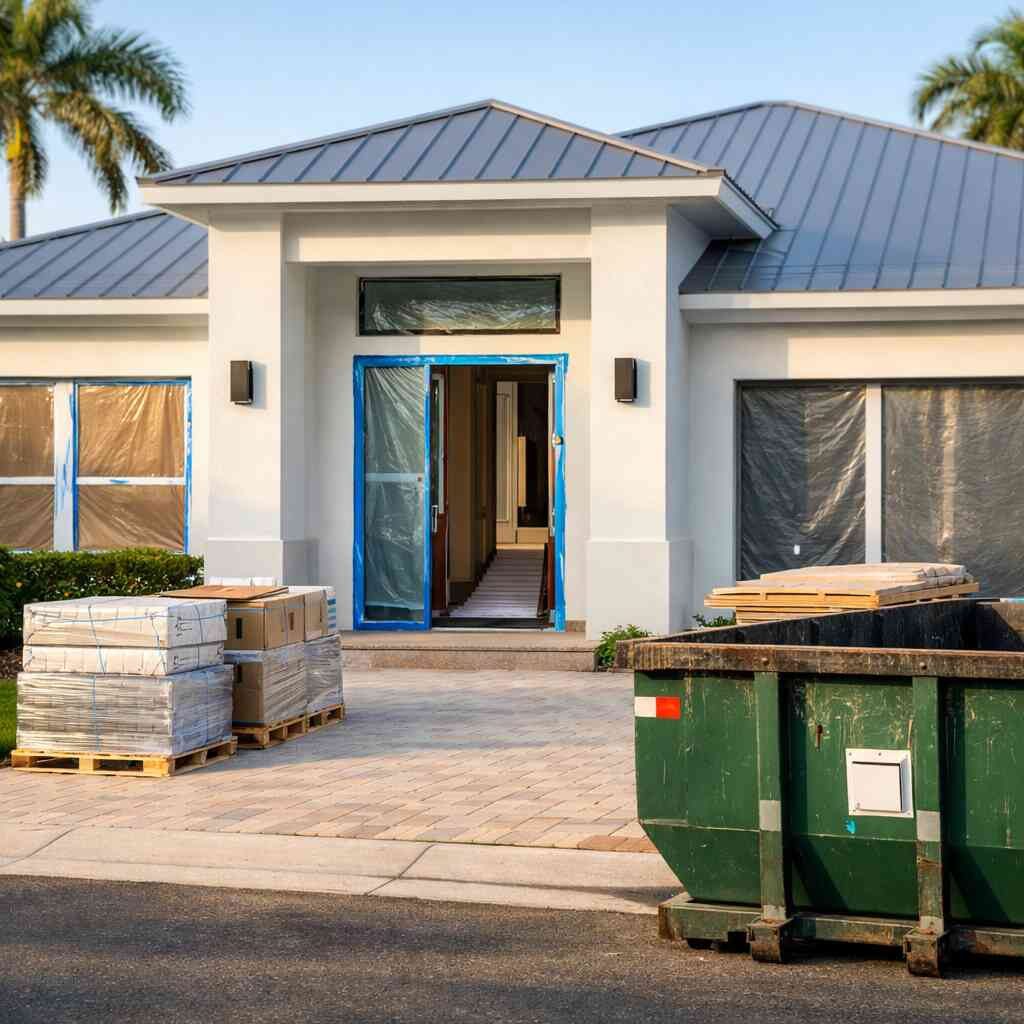
A good pre-construction checklist should cover:
- Final floor plan and elevations
- Cabinet, countertop, and tile selections
- Fixture and appliance decisions
- Structural review if walls are changing
- Inspection sequence
- Material selection lead times
- Payment milestones and financing questions
If you are comparing a design-build process to hiring separate teams, look at who owns coordination. That is the difference between moving forward and chasing answers. For homeowners exploring renovation financing or construction loans, ask early how draws, approvals, and start dates connect. RENOVA’s role as a licensed and insured contractor with construction management keeps that handoff cleaner for clients who want one accountable team.
“RENOVA completely renovated our apartment from the studs out. The result is impeccable. It was a pleasure working with RENOVA, their integrity and honesty are outstanding, as is their efficiency and dedication in getting the job done. Throughout the renovation they stressed our happiness and satisfaction as job #1. They delivered. Five stars +”– J P., a 5 star review from RENOVA on Google Business Reviews
Frequently Asked Questions
How do I prepare my house for renovation without moving out?
Start by clearing the work zone, protecting floors, and setting up a temporary kitchen or bath if needed. Pack away breakables, documents, and valuables before crews arrive. If the project affects only one wing of the home, a good contractor can help you phase the work so you can stay put with less disruption. A clear homeowner communication checklist helps a lot here.
Do I need a permit to renovate my condo in Palm Beach County?
Often yes, especially if the work involves plumbing, electrical, structural changes, or exterior components. Condo boards may also require separate approvals before building permits move forward. The exact requirement depends on the scope and the association rules, so your contractor should verify it before work starts.
What is the difference between a design-build firm and hiring a separate architect and contractor?
A design-build firm handles design and construction under one coordinated team. That can simplify decisions, reduce conflicts, and shorten the path from drawings to field work. Separate teams can still work well, but the homeowner usually has to manage more handoffs and more communication.
How long does a whole home renovation take in South Florida?
It depends on scope, permits, product lead times, and whether the home needs structural changes. A kitchen remodel, bathroom remodel, or flooring installation usually moves faster than a whole home renovation or addition. The honest answer is that lead times and inspections drive the schedule more than the demo does.
Can I choose finishes before permits are approved?
Yes, and in many cases you should. Cabinets, tile, plumbing fixtures, and appliances often have long lead times. Finalizing selections early helps your contractor order materials, verify dimensions, and avoid delays once permits are ready.
What should I ask before hiring a contractor for a remodel?
Ask about licensing, insurance, permit handling, schedule communication, product approvals, and who manages inspections. Also ask how they handle change orders and lead times. If you want a contractor with local experience in Delray Beach, Boca Raton, and the rest of Palm Beach County, RENOVA is worth a conversation because they combine design-build coordination with hands-on construction management and clear accountability.
If you want a South Florida contractor who can handle pre-construction planning with the same care they bring to the build itself, call RENOVA at +1 561 759 6300 for a free estimate and a straightforward conversation about your project.