
Navigating the Regulatory Landscape for Florida Home Transformations
Embarking on a home transformation in South Florida requires a sophisticated understanding of a complex and evolving regulatory environment. The framework governing residential construction compliance in Palm Beach County is built upon a foundation of state statutes, local ordinances, and specialized building codes designed for our unique climate and geography. Navigating this landscape successfully is not merely about checking boxes; it is about integrating safety, durability, and value into the very fabric of your project. For homeowners and investors, partnering with a firm that masters these details transforms potential obstacles into a streamlined pathway toward a successful outcome. Ultimately, this knowledge protects your investment and ensures your renovated space meets the highest standards of safety and craftsmanship for years to come.
Understanding the Foundation of Florida Building Code Updates
The backbone of any construction project is the current building code, a dynamic set of standards that evolves to incorporate new materials, techniques, and safety research. Recent Florida building code updates for 2026 remodeling emphasize resilience against our state’s specific environmental challenges, including enhanced wind loads and water intrusion prevention. These updates are not arbitrary but are critical responses to lessons learned from past storm events and advancements in building science. Understanding these changes is essential for any significant renovation, from a simple bathroom update to a full-scale custom home build. A professional team stays ahead of these amendments, ensuring your project is not just built to code but built to last, safeguarding your family and your financial future.
Why Compliance is the Cornerstone of Quality Construction Management
Many homeowners perceive regulatory compliance as a bureaucratic hurdle, but in reality, it is the unwavering cornerstone of exceptional construction management. Adherence to Florida home renovation laws and codes systematically ensures that every structural element, electrical system, and plumbing installation meets rigorous safety benchmarks. This disciplined approach prevents costly corrective work, avoids legal liabilities, and guarantees that the finished project will pass stringent municipal inspections without delay. Furthermore, compliance directly influences insurance premiums, resale value, and the long-term durability of your home. Therefore, viewing compliance as an integral component of quality, rather than an obstacle, is the mark of a sophisticated and client-focused construction partner dedicated to delivering peace of mind.
The Role of a Licensed General Contractor in Navigating Regulations
The role of a licensed general contractor extends far beyond managing subcontractors and schedules; they serve as your essential guide and advocate through the intricate maze of regulations. A deep understanding of Florida contractor licensing and regulation empowers them to pull correct permits, schedule mandatory inspections, and ensure all work meets the exacting standards of local building departments. They interpret complex code language into actionable building practices, making critical decisions that affect your project’s safety, timeline, and budget. By entrusting this responsibility to a qualified professional, you gain a single point of accountability who manages risk and navigates bureaucratic channels on your behalf. This expertise is invaluable, transforming the daunting permit inspection process with local building departments into a managed, predictable sequence of events.
Structural and Environmental Safety Protocols for Modern Renovations
Modern renovations in South Florida demand a dual focus on structural fortitude and environmental health, protocols that go far beyond cosmetic upgrades. The region’s humid climate, aging housing stock, and exposure to severe weather create a unique set of challenges that must be addressed proactively during any construction project. Implementing advanced safety protocols protects not only the physical structure of your home but also the well-being of its occupants from hidden hazards like mold or toxic materials. These measures include rigorous inspections, specialized material handling, and strategic upgrades designed to withstand environmental pressures. Consequently, a comprehensive approach to structural and environmental safety is non-negotiable for creating a home that is both beautiful and fundamentally sound, ensuring a healthy living environment and long-term property resilience.
Ensuring Structural Integrity Inspections for Home Additions and Custom Homes
Any project that alters a home’s footprint or load-bearing walls necessitates a rigorous evaluation of structural integrity. For home additions and custom homes, this begins with a professional assessment of the existing foundation and framing to ensure they can support new loads. Inspections are mandated at critical phases, such as after foundation pours and before closing walls, to verify that engineering plans are executed precisely. These checks are crucial for identifying potential issues like settlement, wood rot, or inadequate support before they become catastrophic failures. Engaging a professional for structural integrity inspections for home additions provides the technical assurance that your new space is seamlessly and safely integrated into the existing structure, preserving the value and safety of your entire property.
Advanced Protocols for Lead Paint Abatement and Asbestos Removal in South Florida
Many older homes in our service areas contain legacy building materials like lead-based paint and asbestos, which pose significant health risks if disturbed improperly. State and federal regulations mandate strict containment, removal, and disposal procedures carried out by certified professionals. Advanced protocols for lead paint abatement in Florida involve isolating the work area, using specialized filtration, and ensuring no dust migrates to other parts of the home. Similarly, asbestos removal standards for renovations require wetting materials, using negative air pressure enclosures, and disposing of waste at approved facilities. A responsible contractor prioritizes these protocols to protect your family and their workers, turning a potentially hazardous situation into a safely managed process that clears the way for your modern renovation.
Hurricane Retrofit Requirements and Wind Mitigation Upgrades for Coastal Properties
Living in coastal paradise comes with the responsibility of preparing your home for hurricane-force winds. Current building codes enforce specific hurricane retrofit requirements for coastal properties, focusing on creating a continuous load path from the roof to the foundation. Key wind mitigation upgrades in Florida include installing hurricane clips or straps, reinforcing roof-to-wall connections, and upgrading garage doors to impact-resistant models. These upgrades are not just about code compliance; they are about demonstrable risk reduction that can lead to substantial savings on homeowners insurance. Proactively integrating these features during a renovation is a smart investment in your property’s durability and your family’s safety during storm season.
Flood Zone Construction Rules and Water Mitigation Strategies
For properties in designated flood zones, construction rules become significantly more stringent, governing everything from foundation elevation to the types of materials used below the base flood elevation. Compliance with flood zone construction rules in South Florida often requires using flood-damage-resistant materials like concrete, metal, and treated wood for lower levels. Effective water mitigation strategies also extend to proper grading around the home, installation of backflow prevention valves on sewer lines, and strategic placement of mechanical equipment. Understanding and implementing these rules is critical for protecting your asset from water intrusion and damage, ensuring the longevity of your renovation investment even in the face of heavy rains and rising water tables.
Mold Remediation Standards and Indoor Air Quality Regulations
The humid South Florida climate creates an ideal environment for mold growth, especially when construction disturbs existing moisture barriers. Adherence to strict mold remediation standards in South Florida is essential during any renovation that involves water systems or the building envelope. This includes immediate drying of wet materials, removal of contaminated elements, and applying antimicrobial agents to affected areas. Furthermore, indoor air quality regulations emphasize controlling dust and volatile organic compounds (VOCs) from new materials like paints, adhesives, and carpets. A quality-focused contractor will manage these aspects diligently, ensuring the renovation process itself does not compromise the healthfulness of your home, resulting in a space that is as safe and clean as it is beautiful.
Worksite Safety and Operational Compliance for Residential and Commercial Projects
A safe worksite is the fundamental prerequisite for a successful and efficient remodeling project, reflecting a contractor’s professionalism and respect for both their crew and your property. Operational compliance encompasses a vast array of practices, from daily hazard assessments to the proper use of personal protective equipment, all designed to prevent accidents and injuries. These protocols are governed by a combination of OSHA mandates and state-specific Florida home renovation laws, creating a comprehensive safety net for everyone involved. Implementing rigorous worksite safety management systems minimizes disruption to your daily life and shields you from potential liability. Therefore, a contractor’s commitment to operational safety is a direct indicator of their overall management quality and dedication to executing your project with excellence and integrity.
Implementing Comprehensive Worksite Safety Management Systems
A proactive approach to safety begins with a formalized worksite safety management system, a structured plan that identifies hazards, outlines procedures, and ensures continuous monitoring. This system includes daily safety meetings, clear signage, secure material storage, and designated walkways to separate family life from construction activity. Effective management also involves regular equipment inspections and strict protocols for tool use to prevent malfunctions and misuse. By implementing such a system, a contractor demonstrates a top-down culture of safety that protects workers, homeowners, and the property itself. This level of organization is a hallmark of superior construction management near Delray Beach, ensuring the project progresses smoothly without preventable incidents.
Fall Protection Systems and Scaffold Protocols for Multi-Story Projects
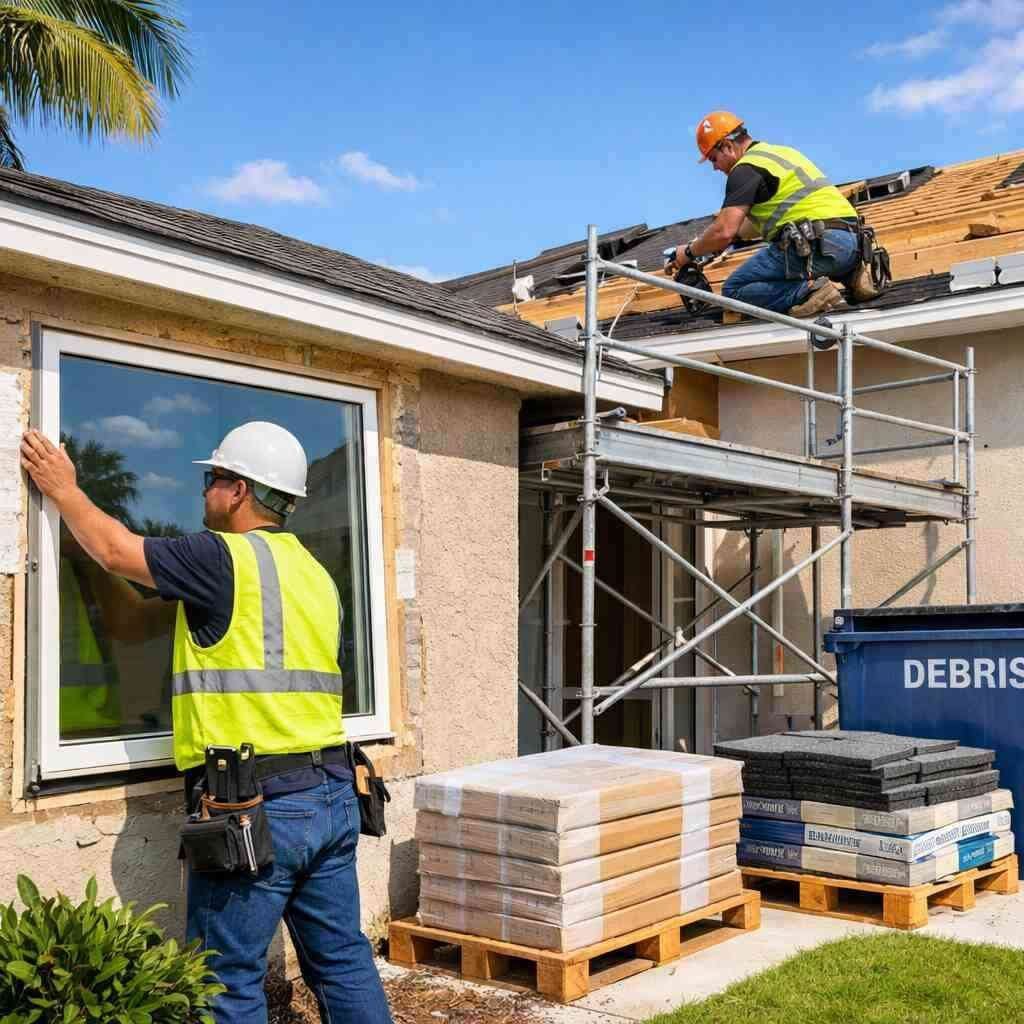
Work at height presents one of the most significant risks in construction, making fall protection systems for multi-story projects an absolute necessity. Regulations require guardrails, safety nets, or personal fall arrest systems any time work is performed six feet or more above a lower level. Similarly, scaffold protocols for safety mandate that all scaffolding be erected on stable footing, fully planked, and equipped with secure guardrails and toe boards. Regular inspections of these systems are required before each work shift begins. Adherence to these strict ladder and scaffold protocols is non-negotiable, as it directly prevents serious injuries and exemplifies a contractor’s unwavering commitment to safeguarding their team while working on your valuable property.
Safe Demolition Practices and Debris Disposal Regulations
The demolition phase, while exciting, is fraught with potential hazards ranging from structural collapse to exposure to hidden materials. Safe demolition practices for renovations require a methodical plan that includes utilities disconnection, structural shoring, and the careful manual dismantling of elements rather than reckless destruction. Simultaneously, debris disposal regulations for construction projects dictate how waste is sorted, contained, and transported to approved recycling centers or landfills. Proper disposal prevents environmental contamination and avoids fines for improper handling of construction waste. A disciplined contractor manages this phase with precision, ensuring the site remains safe, organized, and compliant from the first swing of the hammer to the final load hauled away.
Trenching and Excavation Safety for Foundation and Utility Work
Trenching and excavation for new foundations, pools, or utility lines are among the most dangerous construction activities due to the risk of cave-ins. Trenching and excavation safety for foundations requires protective systems like sloping, shoring, or trench boxes in any excavation deeper than five feet. The site must also be inspected daily by a competent person for signs of instability, water accumulation, or toxic atmosphere. Furthermore, state law requires a call to 811 to have underground utilities marked before any digging begins. Strict observance of these protocols prevents catastrophic accidents, protects underground infrastructure, and is a critical component of professional and responsible site work for any custom home or addition.
Electrical Code Compliance and Plumbing Safety Standards for Kitchen and Bathroom Renovations
Kitchen and bathroom renovations heavily involve complex electrical and plumbing systems where code compliance is directly tied to safety and functionality. Electrical code compliance for kitchen renovations now requires more dedicated circuits for appliances, GFCI protection for all countertop outlets, and proper ventilation for range hoods. Likewise, plumbing safety standards in bathroom renovations mandate pressure-balanced valves in showers to prevent scalding, proper venting to avoid sewer gas intrusion, and water-efficient fixture installations. These codes are constantly updated to improve safety and efficiency, and a licensed professional ensures all work is permitted, inspected, and certified. This diligence guarantees that the heart of your home is not only beautiful but also operates safely and reliably for your family.
Specialized Systems and Final Approvals for Project Completion
The final stages of a renovation bring together a symphony of specialized systems and bureaucratic steps that culminate in your project’s official completion and occupancy. This phase focuses on integrating critical life-safety features, securing final municipal sign-offs, and ensuring all contractual and regulatory obligations are fulfilled. Attention to detail here is paramount, as it involves everything from the installation of impact-resistant windows to the final walk-through with the building inspector. Navigating this process smoothly requires meticulous record-keeping, clear communication with authorities, and a thorough understanding of contractor insurance requirements in Florida. Successfully crossing this finish line transforms your construction project into a certified, safe, and legally compliant home ready for you to enjoy for years to come.
Fire-Resistant Materials Code and Emergency Egress Requirements
Building codes place a strong emphasis on fire safety, dictating the use of specific fire-resistant materials in construction, particularly in multi-family dwellings and in areas attached to garages. The fire-resistant materials code may require fire-rated drywall, doors, and insulation to slow the spread of flames and smoke. Concurrently, emergency egress requirements mandate that every sleeping room have a readily operable window or door large enough for escape and rescue, with specific minimum dimensions and maximum sill heights. These regulations are designed to provide crucial time for occupants to exit and for firefighters to respond. Integrating these features seamlessly into the design is a key responsibility of your builder, ensuring your new space prioritizes safety without compromising on aesthetics.
Window Impact Resistance and Roofing Code Updates for Storm Protection
In a region frequently in the path of tropical storms, the building envelope’s ability to resist wind-borne debris is critical. Mandates for window impact resistance for storm protection require either impact-rated glazing or approved storm shutters on all exterior openings. Similarly, roofing code updates in Florida continue to evolve, requiring stronger underlayment, enhanced roof deck attachment, and in some areas, specific ratings for wind uplift resistance. These components work together to prevent breaches that can lead to catastrophic internal pressurization and roof failure during a storm. Investing in these code-driven upgrades is one of the most effective ways to fortify your home, potentially lowering insurance costs while providing immeasurable peace of mind during hurricane season.
Pool Safety Barriers and Accessibility Compliance ADA Considerations
For projects involving pools or commercial elements, additional layers of safety and accessibility codes come into play. Pool safety barriers are strictly regulated, requiring non-climbable fences at least four feet high with self-closing, self-latching gates situated away from the water’s edge. Furthermore, for commercial projects or residential renovations intended for multi-generational living, accessibility compliance ADA considerations may apply. This can include requirements for wider doorways, zero-threshold showers, reinforced walls for grab bars, and accessible route planning. Thoughtfully incorporating these features during the design phase is more cost-effective and results in a more functional, inclusive, and legally compliant space for all users.
Navigating the Permit Inspection Process with Local Building Departments
The journey from approved plans to a certificate of occupancy is paved with a series of mandatory inspections conducted by local building officials. Navigating the permit inspection process with local building departments is a complex dance that requires precise timing and flawless execution of the approved plans. Inspections occur at critical milestones: after footing excavation, after framing and rough-ins for electrical and plumbing, and a final inspection for occupancy. A seasoned construction manager coordinates these inspections seamlessly, ensuring the site is ready and all work is visibly compliant to avoid costly reinspection fees and delays. This expertise is invaluable in moving your project efficiently across the finish line.
Contractor Insurance Requirements and Florida Department of Business Regulation Standards
Before a single nail is driven, verifying your contractor’s credentials is essential for your protection. Florida law mandates that licensed contractors carry specific levels of workers’ compensation and liability insurance, which shields you from financial responsibility if an accident occurs on your property. Furthermore, they must be in good standing with the Florida Department of Business and Professional Regulation (DBPR), which oversees licensing and can confirm there are no unresolved complaints or disciplinary actions. Understanding contractor insurance requirements in Florida and checking DBPR status are critical due diligence steps for any homeowner. Partnering with a fully insured, licensed, and reputable firm like RENOVA guarantees that your project is built on a foundation of professionalism and accountability.
Frequently Asked Questions
Question: As a homeowner in Delray Beach planning a major renovation, how does RENOVA ensure my project complies with the latest Florida building code updates, especially those mentioned in your blog about Essential 2026 Safety Regulations for Florida Remodeling?
Answer: At RENOVA, compliance is the cornerstone of our construction management philosophy. Our licensed general contractors and construction managers are experts in the latest Florida building code updates and Florida home renovation laws. We proactively integrate these evolving standards, such as enhanced wind mitigation upgrades and hurricane retrofit requirements, into every project plan from the start. This includes securing all necessary permits and meticulously navigating the permit inspection process with local building departments. By building to and often exceeding code, we ensure your Delray Beach remodeling project is safe, durable, and adds long-term value, giving you complete peace of mind.
Question: My South Florida home is in a flood zone. What specific flood zone construction rules and water mitigation strategies does RENOVA implement during a renovation or custom home build?
Answer: Navigating flood zone construction rules in South Florida is a critical specialty of our construction company. For properties in designated zones, we adhere strictly to regulations governing foundation elevation and the use of flood-damage-resistant materials. Our water mitigation strategies extend beyond code minimums and include proper site grading, installing backflow prevention valves, and strategically elevating mechanical equipment. As your dedicated construction manager near you in Palm Beach County, we ensure these essential protocols are seamlessly incorporated into your custom home or home addition, protecting your investment from water intrusion and potential damage.
Question: I’m concerned about mold and indoor air quality during my Boca Raton kitchen and bathroom renovation. How does RENOVA handle mold remediation standards and ensure compliance with indoor air quality regulations?
Answer: Your concern is valid given our humid climate. RENOVA prioritizes your health by strictly adhering to mold remediation standards in South Florida. During any renovation involving plumbing or the building envelope, we implement immediate drying protocols and safe removal of any affected materials. For indoor air quality regulations, we manage dust control meticulously and recommend low-VOC materials for paints, adhesives, and finishes. Our focus on plumbing safety standards and electrical code compliance in kitchen and bathroom renovations ensures not only a beautiful result but a healthy living environment for your family long after we complete the project.
Question: For a second-story home addition in Boynton Beach, what worksite safety management and fall protection systems does RENOVA employ to protect workers and my property?
Answer: Worksite safety management is non-negotiable at RENOVA, especially for multi-story projects. We implement comprehensive safety systems that include daily hazard assessments, secure material storage, and clear signage to separate the construction zone from your living space. For fall protection, we strictly follow OSHA regulations for remodelers, utilizing guardrails, safety nets, and personal arrest systems any time work is at height. Our scaffold protocols for safety mandate stable, fully planked structures with guardrails, inspected daily. As one of the best contractors in South Florida, our rigorous approach to safety minimizes risk, prevents accidents, and ensures a secure, organized worksite for your home addition.
Question: How does RENOVA handle the safe demolition and disposal of hazardous materials like lead paint or asbestos during a West Palm Beach renovations project?
Answer: Safe demolition practices are a critical first step in any renovation. RENOVA employs a methodical plan that includes disconnecting utilities and careful manual dismantling. When hazardous materials like lead-based paint or asbestos are suspected, we engage certified professionals to conduct abatement following advanced protocols for lead paint abatement in Florida and strict asbestos removal protocols. This involves containment with negative air pressure, specialized filtration, and proper disposal at approved facilities. We also adhere to all debris disposal regulations for construction projects. Our process ensures your family and our workers are protected, and your property is cleared for a safe and modern renovation.